New Study Shows Diet Soda Can Support Weight Loss Like Water
Research indicates that diet drinks can aid weight management as effectively as plain water.
Overview of the Study
A recent two-year study has provided new insights into the ongoing discussion about the effects of artificial sweeteners on weight management. Researchers sought to determine if diet beverages could support weight loss efforts as effectively as plain water, particularly when combined with behavioral support.
Research Design and Participants
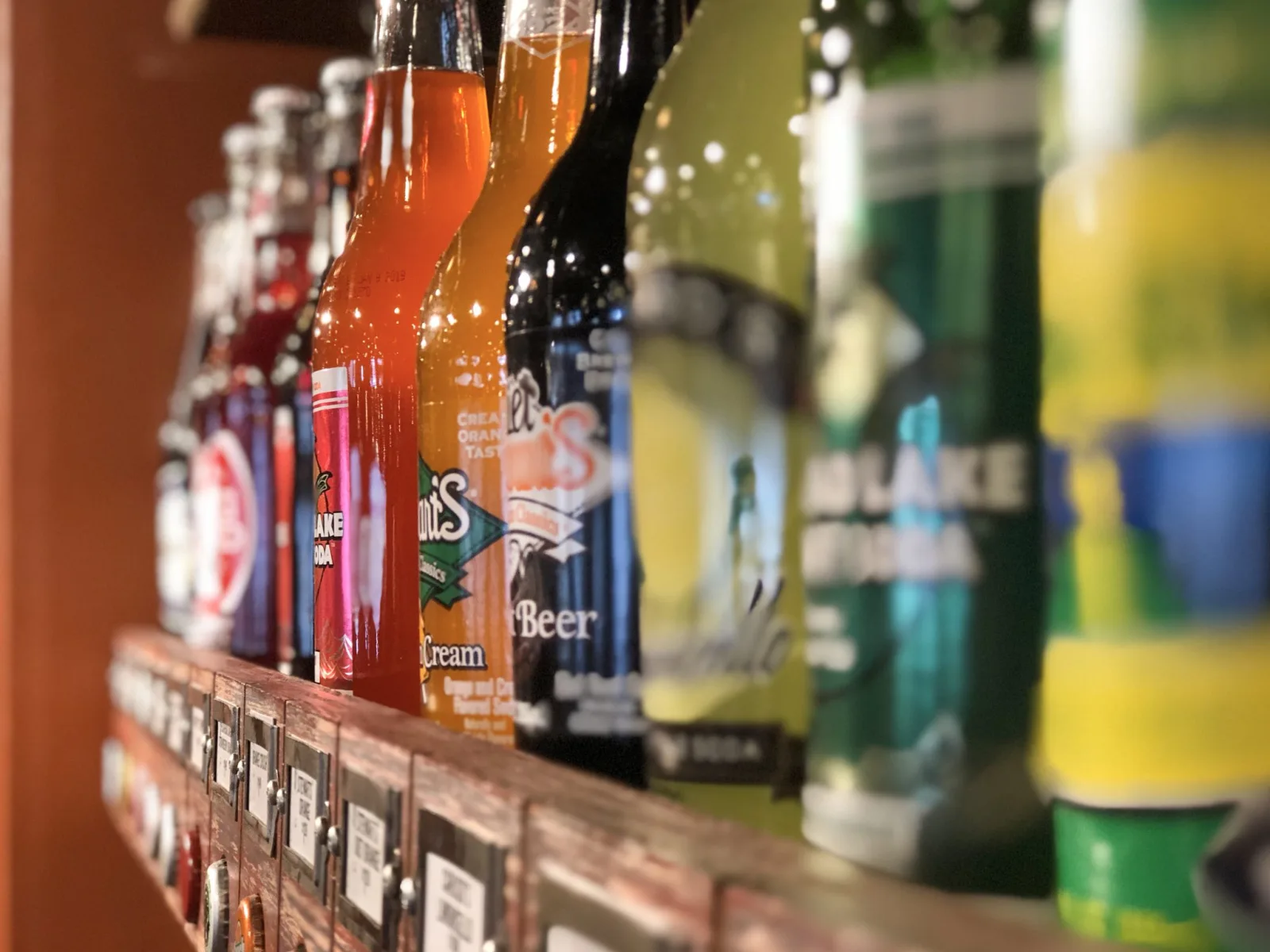
The investigation, conducted by scientists at the University of Liverpool, involved 493 adults who were overweight or obese. The participants were randomly assigned to either consume commercially available diet soft drinks or plain water daily. Alongside this, all participants took part in a comprehensive weight-management program that incorporated behavioral guidance. The diet drinks contained popular low- or no-calorie sweeteners such as aspartame, acesulfame potassium, and sucralose. Researchers carefully monitored weight, body measurements, body composition, and various metabolic markers throughout the entire two-year study.
Findings After Two Years
At the end of the trial, both groups demonstrated weight loss and maintained a significant portion of that weight reduction after the structured program concluded. Participants who consumed diet beverages lost an average of 10.6 pounds, while those who opted for water lost approximately 8.2 pounds. However, the difference in weight loss between the two groups was not statistically significant. Additionally, waist and hip circumferences decreased for both categories of participants. Improvements were noted in body composition and several metabolic health metrics, with a general reduction in sugar intake for all, particularly larger among diet drink consumers.
Expert Analysis of the Results
Professor Jason Halford remarked that non-nutritive sweeteners present an effective alternative to sugary beverages, showing performance levels on par with water over the study's duration. Additionally, Professor Joanne Harrold addressed concerns regarding potential appetite disruption or weight gain associated with sweeteners. She emphasized that these worries lacked support from this long-term, randomized trial, providing clinical evidence that had been previously absent in the conversation around artificial sweeteners.
Implications for Public Health Recommendations
Present guidelines from organizations like the World Health Organization suggest moderation when using non-sugar sweeteners for weight control. This new research contributes valuable long-term randomized data that could influence future updates to these guidelines. With over 140 million Americans regularly consuming artificial sweeteners, often for sugar reduction, the study is significant. The average daily consumption of added sugars in the U.S. exceeds recommended levels, highlighting the importance of practical beverage choices in weight management strategies. The findings suggest that both diet soda and water can play a role in an effective weight management plan when partnered with behavioral support, without declaring one option definitively better than the other, allowing for personal choice and overall dietary quality.