Monaural Beats in Music Significantly Lower Anxiety Levels
Research shows monaural beats in music can reduce anxiety more effectively than music alone.
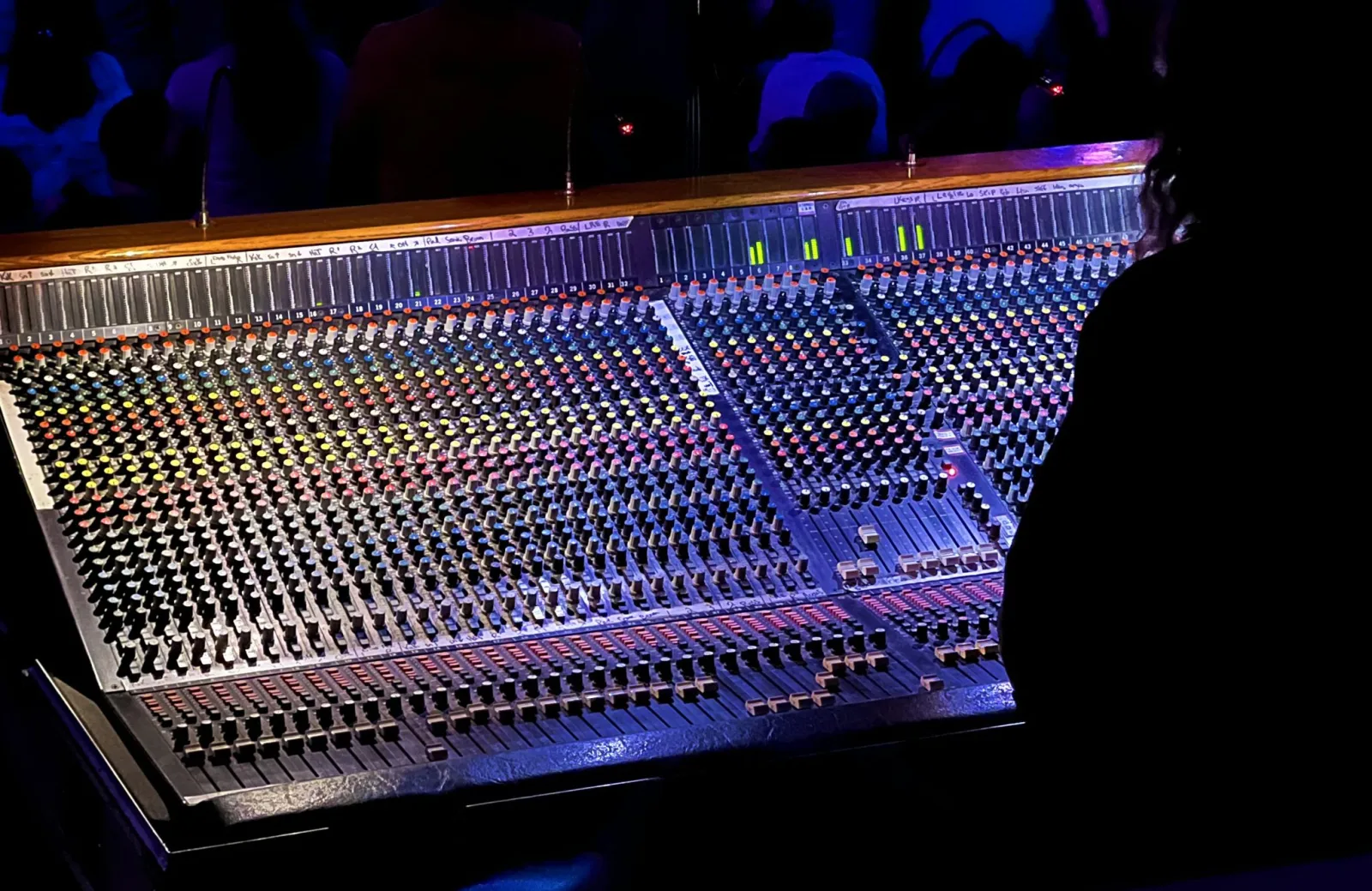
In recent studies, researchers found that incorporating low-key monaural beats into calming music significantly decreased anxiety levels compared to music on its own. These findings, published in the journal Frontiers in Human Neuroscience, suggest that monaural beats may offer additional mental health benefits beyond the soothing effects of music alone.
Understanding the Research
The study, led by Tara Venkatesan from Sollos Labs at Universal Music Group, involved two randomized online experiments with a total of 466 participants who exhibited moderate levels of trait anxiety. Participants were carefully screened, ensuring that those selected had anxiety scores between 36 and 43, indicating moderate trait anxiety rather than a clinical anxiety disorder.
Over a 25-minute listening session, participants rated their anxiety, emotional state, and arousal levels before and after listening. The results indicated that music coupled with monaural beats provided a more substantial reduction in anxiety levels than music played independently.
Monaural Beats Explained
Monaural beats occur when two pure tones with slightly different frequencies are played simultaneously, producing a single sound that pulsates at the frequency difference. For instance, if tones at 100 Hz and 104 Hz are combined, the listener perceives a 4 Hz beating. This modulation creates a unique auditory experience that is conveyed to the brain, serving to differentiate monaural from binaural beats, which require each ear to receive a different tone.
Previous research has indicated that while monaural beats can induce relaxation and decrease anxiety, they were often tested in isolation, without music. This gap in research left room for uncertainty about whether the calming effects attributed to music were solely responsible for reducing anxiety.
Study Findings
In the first study, participants were assigned to one of four groups: music alone or the same music enhanced with monaural beats at varying salience levels. The findings revealed a distinctive pattern: both the Low-Beatmix and Moderate-Beatmix conditions resulted in greater anxiety reductions compared to just the music, with effect sizes of β = -0.46. However, the High-Beatmix condition reversed this trend, where participants experienced increased anxiety when beats were too prominent.
In numbers, the music-only group recorded an average anxiety score drop from 34.48 to 30.96, while the low and moderate beat groups reported reductions to 27.30 and 26.35, respectively. Conversely, the high-beat mix group exhibited a slight increase in anxiety scores from 35.54 to 36.22.
Broadening the Scope
The second study aimed to determine if these findings held true across various musical styles. A new set of 259 participants listened to different genres, including ambient and R&B, with or without monaural beats at a moderate ratio. The results confirmed that groups with monaural beats experienced significantly lower anxiety levels compared to those with music alone (β = -0.49). Interestingly, participants in the beatmix conditions also reported higher levels of positive emotional response.
After analyzing the data, the authors noted a significant decrease in anxiety scores from the music-only group, which fell from 34.44 to 29.19, while the beatmix group dropped from 36.03 to 26.47 post-listening.
Looking Ahead
While these studies provide intriguing initial insights into the benefits of monaural beats mixed with music, researchers approach their conclusions with caution. Acknowledging the limitations, including reliance on self-reported outcomes and a lack of comparative tests for various beat frequencies, the team emphasizes that further investigation is necessary.
The authors propose future studies to explore how different levels of beat salience affect brain responses and whether they correlate with changes in anxiety and mood. Overall, the findings pave the way for innovative treatments to alleviate anxiety, potentially transforming how individuals utilize music in their wellness routines.