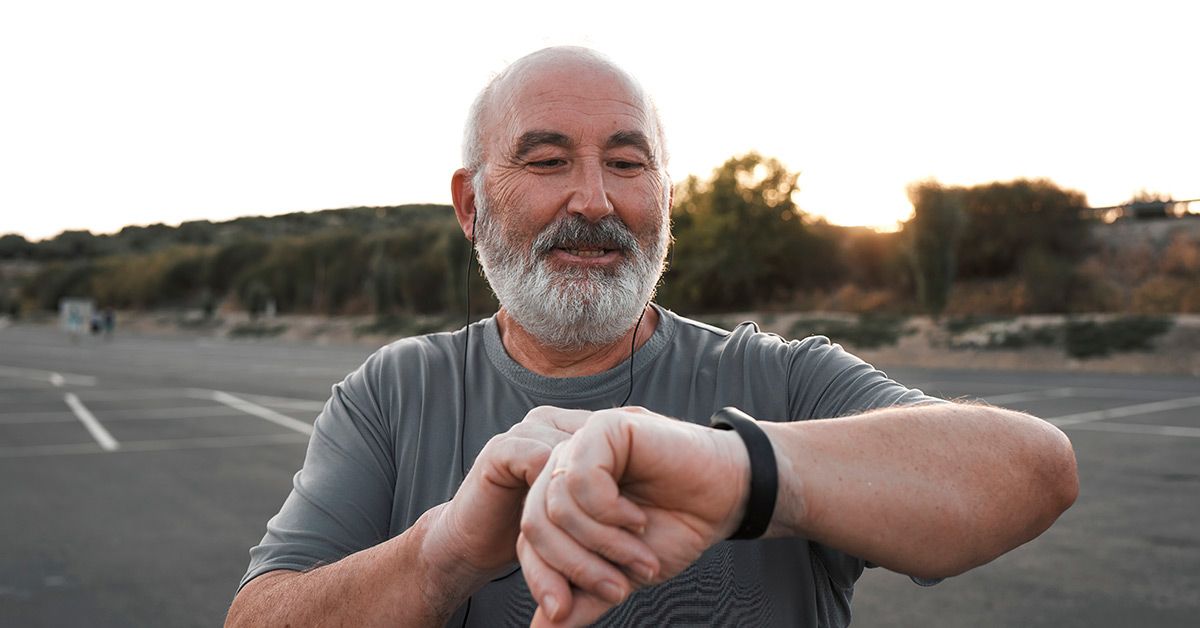

A large observational study using wrist-worn activity trackers from more than 85,000 UK Biobank participants found that physical activity is linked to lower coronary heart disease (CHD) risk and mortality for both sexes, but women appear to gain larger relative benefits at lower activity volumes.
Study overview
– Published in Nature Cardiovascular Research, the analysis examined about 80,000 participants without prior CHD to assess incidence, and roughly 5,000 people with existing CHD to evaluate mortality.
– Activity was measured objectively by wrist accelerometers, allowing comparisons of weekly minutes of moderate-to-vigorous activity and associated outcomes in men and women.
Main findings
– Meeting the common guideline of at least 150 minutes per week of moderate-to-vigorous activity was associated with lower CHD risk in both sexes: roughly a 22% lower risk for women versus about 17% for men.
– There was a clear dose-response: more weekly activity produced greater reductions in CHD risk, but the sex gap widened at higher volumes. At around 250 minutes per week, women showed about a 30% lower CHD risk; men needed more than 530 minutes per week to reach a similar reduction in the study model.
– Among people who already had CHD, higher activity correlated with lower mortality, again with larger relative benefits for women. Active women had about a 70% lower risk of death compared with less-active women, while active men had about a 19% reduction. The model suggested men would need roughly 1.7 times the activity of women (about 85 minutes vs 51 minutes per week in the model) to match the mortality reduction seen in women.
– The study also noted a persistent gap in activity and fitness: men were more likely to meet activity guidelines and reported higher fitness levels, while women—despite larger proportional benefits—were less likely to reach recommended activity levels.
Possible explanations and limitations
– Investigators discussed biological possibilities (for example, hormonal or vascular differences) as potential contributors to the larger relative benefit seen in women, but the exact causes remain uncertain.
– Important caveat: this is observational evidence. Associations between activity and outcomes do not prove causation. Unmeasured factors, differences in baseline health, or residual confounding could partly explain the sex differences.
– Results should be interpreted alongside randomized trials and other observational studies. The findings highlight patterns that merit further research rather than immediate changes to clinical prescriptions.
Public health context
– Current U.S. guidance from the CDC and American Heart Association recommends at least 150 minutes per week of moderate-to-vigorous aerobic activity for adults, with greater benefit often observed around 300 minutes per week.
– The authors suggested the potential value of considering sex differences when refining guidelines, but other experts emphasize the immediate priority: increasing activity across the entire population. Fewer than half of U.S. adults meet minimum activity recommendations, and fewer than one-third of people with CHD hit those thresholds.
Practical takeaways
– Follow established guidance: aim for at least 150 minutes per week of moderate-to-vigorous aerobic activity; more activity generally yields greater cardiovascular benefit.
– If you’re inactive, start small and build gradually; short bouts of brisk walking accumulate toward weekly totals.
– Include everyday activities: walking, biking for errands, gardening, housework, and short at-home workouts all count toward weekly activity.
– Find activities you enjoy to improve consistency and adapt plans around caregiving or work constraints (short sessions, shared caregiving, or home-based options can help).
– Clinicians currently do not recommend routine different activity prescriptions strictly by sex; the immediate, practical goal is getting more people to meet baseline activity levels.
Bottom line
Physical activity reduces CHD risk and mortality for both men and women. This large study suggests women may achieve larger relative benefits at lower weekly volumes than men in these observational models, but the evidence is not causal. The overarching message remains: increasing regular activity is beneficial for everyone, and public health efforts should prioritize raising activity levels across the population.