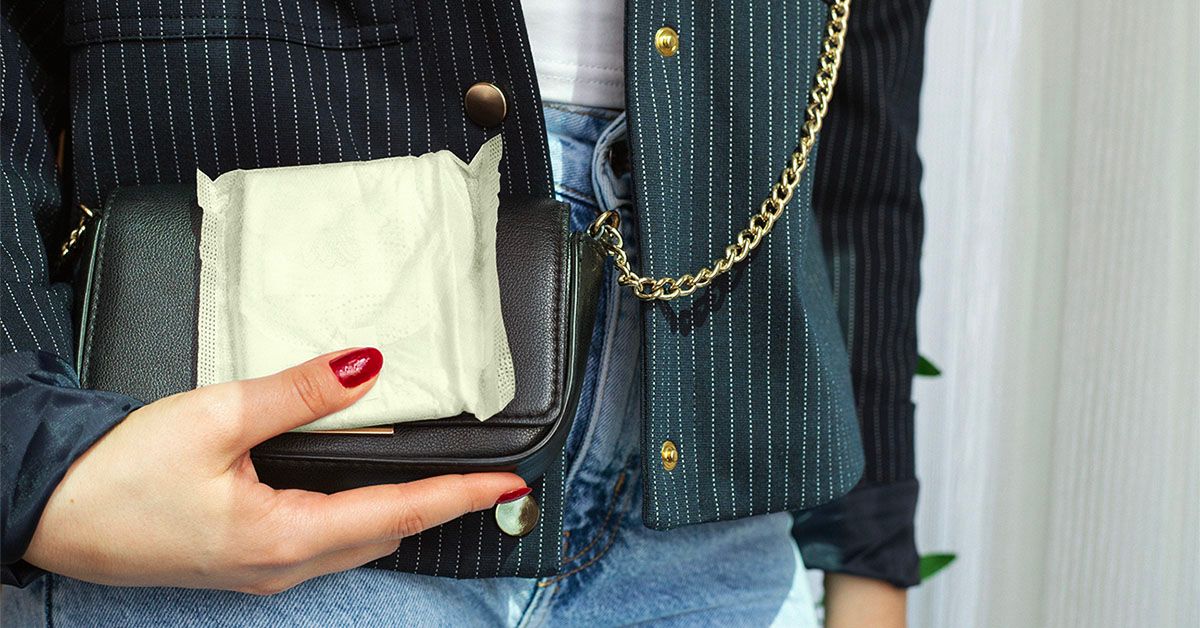

Social media posts showing sealed, unused sanitary pads held up to light with dark, splotchy areas have raised concerns that unused period products may be contaminated with mold. Health professionals who reviewed these images say that widespread mold contamination is unlikely; the discoloration is more often explained by the product materials, manufacturing or storage conditions, or handling in transit.
What experts note
– Discoloration can sometimes reflect isolated contamination in a mishandled product, but that is different from a systemic manufacturing problem. Exposure to moisture, heat, or damage during shipping or storage can cause localized issues.
– Many common pad components look unusual when backlit; what appears as dark spots to the naked eye is frequently harmless material irregularity rather than fungal growth.
Common reasons pads can look dark when held to light
– Superabsorbent polymers (SAP): These 3D hydrophilic materials in the absorbent core absorb and retain liquids and can refract or absorb light unevenly, creating darker-looking patches when backlit.
– Normal components and construction: Pulp fibers, adhesive strips, release paper, backing films, dyes, or recycled fibers may appear splotchy under bright light and can be mistaken for contamination.
– Storage, damage, or opened packaging: If packaging is torn or products are stored in damp conditions, organic materials could degrade or, less commonly, support microbial growth.
What studies say
Direct research on unused pads is limited. Available studies suggest that properly sealed products pose low risk. For example:
– Some studies have detected microbes in unused menstrual products when packages were left open or handled improperly.
– Market surveys have found occasional bacterial or fungal isolates in samples, typically linked to inadequate storage or damaged packaging rather than sealed, factory-produced items.
These findings point toward improper storage and handling as the main risk factors, rather than routine contamination of sealed products.
How products are made and stored
Menstrual pads are usually manufactured on automated lines from materials with established safety profiles. Layers are assembled, folded, and sealed in individual wrappers. Reputable factories follow quality-control and hygiene procedures, and finished goods are typically stored in dry, climate-controlled warehouses. Regulatory requirements vary by location and product type, but manufacturers generally design processes to limit contamination and to enable batch tracking.
Health risks if mold were present
If mold were present on a pad, the most likely effects would be skin irritation, contact dermatitis, or allergic reactions in sensitive people. People with weakened immune systems could be at higher risk for more serious infections from environmental molds, but such cases are rare. The vaginal area has its own microbiome (including bacteria and fungi such as Candida); introducing outside microbes could, in theory, disrupt that balance and increase the chance of irritation or yeast overgrowth. Regularly changing pads (every 4–8 hours, or more often with heavy flow) reduces exposure time and helps maintain hygiene.
What to do if you’re concerned
– Buy products from reputable brands and check for visible lot or production codes for batch tracking.
– Prefer individually wrapped, sealed items and avoid packages that look damaged or torn.
– Store supplies in a cool, dry place away from bathrooms or other damp, steamy areas.
– Inspect packaging and the product before use. If you see visible mold, moisture damage, or torn packaging, do not use the item and contact the manufacturer or retailer.
– If you develop irritation, itching, unusual discharge, or other concerning symptoms after using a product, stop using it and seek medical advice.
Bottom line
Most discoloration seen in images of unused pads is likely due to normal materials (like SAP and pulp fibers), lighting effects, or isolated storage and handling issues—not widespread mold contamination. Proper manufacturing, sealed packaging, and correct storage make unused period products unlikely to contain mold. If you find obvious mold or damage, don’t use the product and report it to the manufacturer.