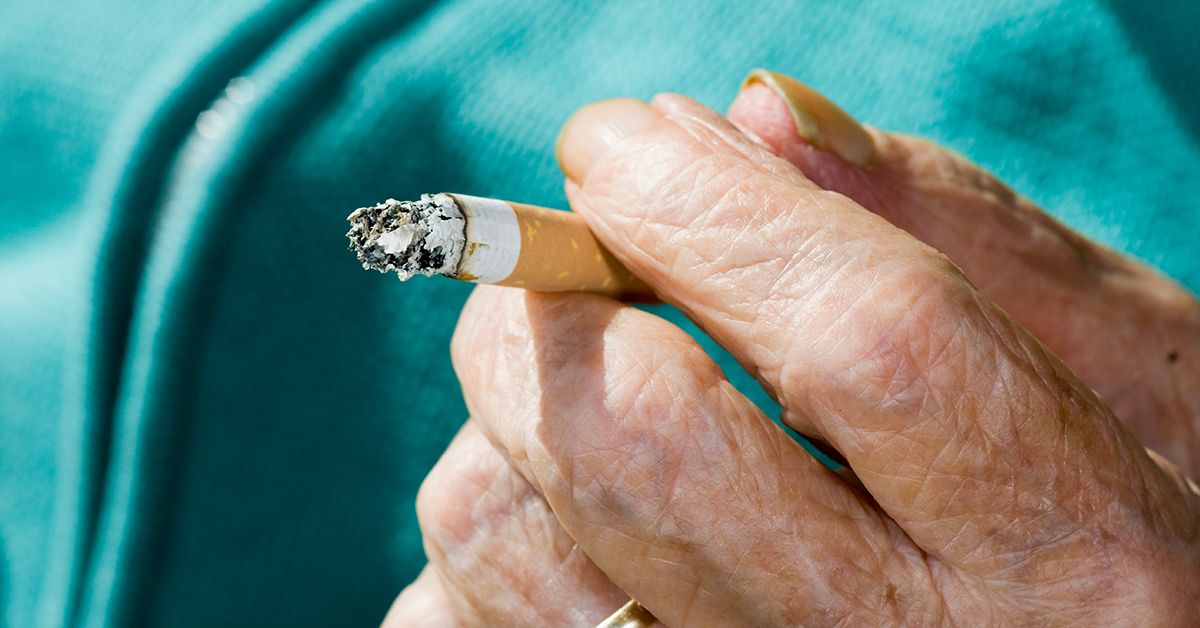

Researchers at the University of Michigan report a mechanism by which cigarette smoke–related chemicals can promote pancreatic cancer by reprogramming the immune system to favor tumor growth and spread. The full study was published September 4 in Cancer Discovery.
What the team studied
– The investigators examined the effects of aryl hydrocarbon receptor ligands (AhRLs)—smoke-associated chemicals that include known carcinogens such as dioxins—using laboratory experiments, mouse models, and analyses of human pancreatic tissue. In mice, researchers delivered cigarette smoke extract or a potent AhR ligand called TCDD (2,3,7,8-tetrachlorodibenzo-p-dioxin) and implanted pancreatic cancer cells into the pancreas to follow tumor behavior.
Key findings
– Tumors grew faster and were more likely to spread in mice exposed to cigarette smoke extract or TCDD, but this acceleration occurred only in animals with intact immune systems, indicating the effect is immune-mediated rather than a direct increase in cancer cell proliferation.
– The critical pathway involves activation of the aryl hydrocarbon receptor (AhR) on CD4+ T cells. AhR stimulation caused these helper T cells to produce more interleukin-22 (IL-22) and to drive expansion of regulatory T cells (Tregs).
– Tregs suppress anti-tumor immune responses and, in this setting, limited the activity of CD8+ cytotoxic T cells—the cells that normally attack tumor cells—permitting greater tumor growth and metastasis.
– Exposure to TCDD also encouraged early precancerous changes in the pancreas, suggesting AhR ligands might contribute to both cancer initiation and progression.
– Human pancreatic tumor samples reflected the animal data: tissue from people who smoked showed higher activation of the AhR pathway and increased numbers of tumor-associated Tregs. The abundance of Tregs correlated with patients’ lifetime smoking exposure.
Implications and limitations
– The study points to two potential therapeutic ideas: blocking AhR activation or countering Treg-mediated suppression to restore anti-tumor immunity, especially in smokers. Because AhR ligands are present in other pollutants and industrial chemicals, the findings may extend beyond tobacco smoke and have broader public-health relevance.
– Experts urge caution. Much of the evidence comes from cell and animal experiments plus analysis of human tissue samples, so the work establishes a plausible biological link between smoking and pancreatic cancer but does not prove that every smoker will develop the disease or that targeting this pathway will definitely prevent it. Additional clinical research is required before changing treatment recommendations.
Public-health context and clinical advice
– Pancreatic cancer remains one of the deadliest cancers, with a five-year survival rate of roughly 13 percent. In 2025, more than 67,000 Americans are expected to be diagnosed and nearly 52,000 to die from the disease.
– Najeeb al Hallak, MD, MS, a medical oncologist, said the findings reinforce that quitting smoking is one of the most effective ways to reduce pancreatic cancer risk, along with lowering risk for many other cancers and cardiovascular and lung diseases.
– Clinicians can advise smokers on evidence-based quitting supports: nicotine replacement (patches, gum, lozenges), prescription medications that reduce cravings, behavioral counseling, support groups, and quitlines such as 1-800-QUIT-NOW. Planning for triggers, building healthier routines, and persistence through relapses are important; many people require multiple attempts before quitting permanently.
Bottom line
The study identifies a specific immune mechanism—activation of AhR on CD4+ T cells leading to increased IL-22 and expansion of suppressive Tregs—that helps explain how smoke-related chemicals can promote pancreatic tumor initiation, growth, and spread by blunting CD8+ anti-tumor responses. The pathway suggests possible targets for future therapies and provides another compelling reason to avoid or quit smoking.