Exploring the DASH Diet's Impact on Mood and Mental Health
Research highlights a possible link between the DASH diet and reduced depressive symptoms, emphasizing the importance of nutrition on mental well-being.
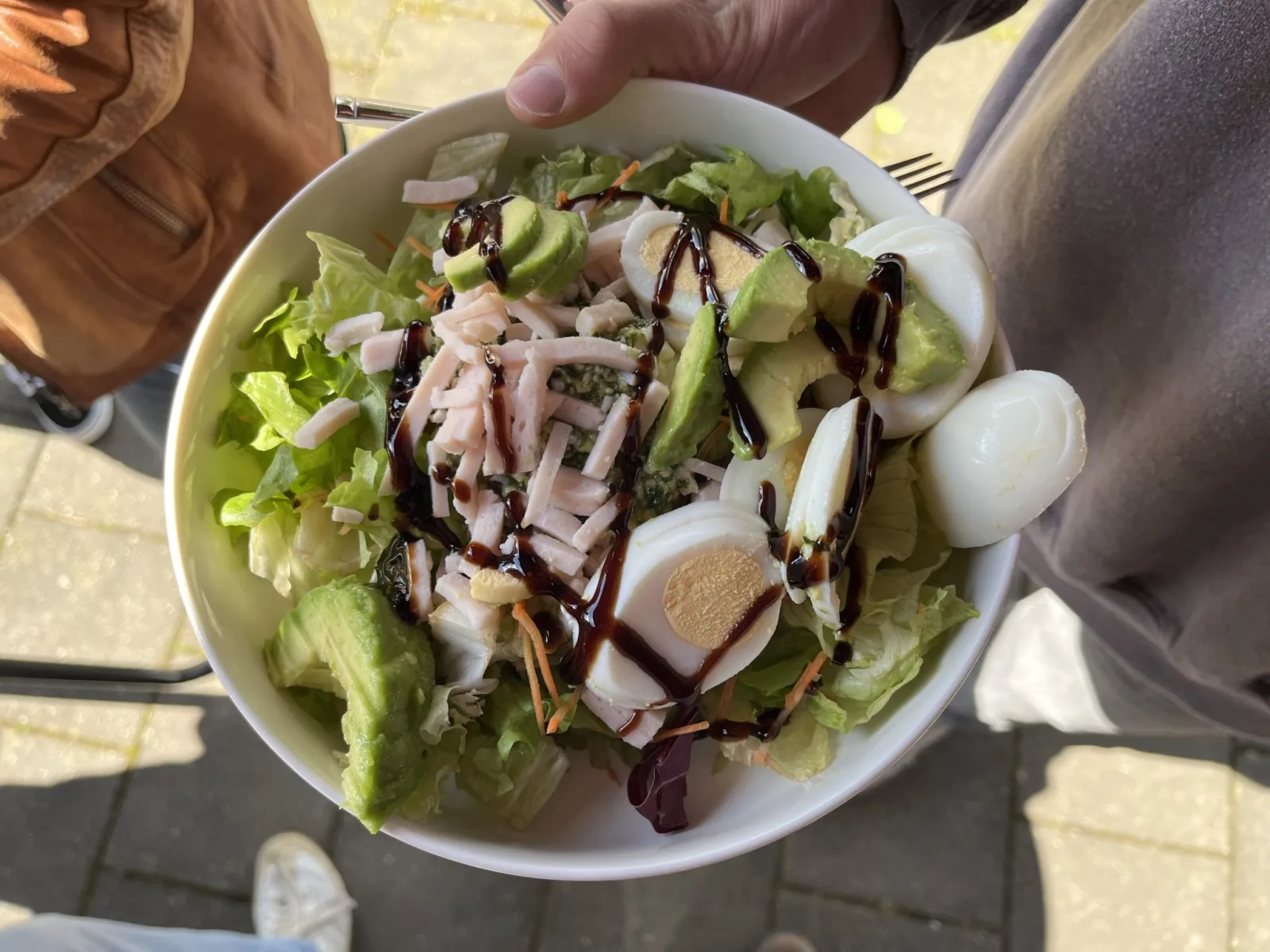
Food choices significantly impact physical health, but emerging research suggests they may also play a role in our emotional well-being. A recent study investigates how dietary patterns, particularly the DASH diet, could affect mood and potentially lower the risk of depression.
Understanding the DASH Diet
The DASH diet, which stands for Dietary Approaches to Stop Hypertension, was initially designed to combat high blood pressure. Its foundation consists of a variety of nutritious foods: an abundance of fruits, vegetables, whole grains, low-fat dairy products, and lean protein sources, all while minimizing sodium intake.
A Closer Look at the Study
This study examined the dietary habits of 3,465 adults in China. Researchers aimed to see how closely participants adhered to the DASH diet and whether this was linked to depressive symptoms. Alongside their dietary assessments, participants completed questionnaires to evaluate their mental health, revealing that about 13.3% of them displayed signs of depression.
To ensure accurate results, the study controlled for various factors such as age, gender, body mass index, educational background, and physical activity levels. The findings showed that individuals who closely followed the DASH eating plan had fewer depressive symptoms.
The Link Between DASH and Mental Well-Being
The results suggested that enhanced adherence to the DASH diet correlates with lower chances of experiencing depressive symptoms. However, this correlation did wane after reaching an optimal adherence level, where higher scores no longer indicated a significant reduction in depressive risk.
This finding does not imply a universal target to achieve. Rather, it suggests that while good nutrition may positively influence mood, there are complexities involved that require further investigation.
Possible Mechanisms Behind the Connection
The researchers proposed several plausible explanations for why following the DASH diet may reduce depressive symptoms, even though they did not directly test these theories:
- Inflammation: Nutrient-rich foods such as fruits and vegetables provide antioxidants and fibers, which are known to help manage inflammation. Chronic inflammation has been linked to depressive disorders and may be one pathway through which diet impacts mood.
- The gut-brain connection: A diet rich in fibers promotes healthy gut microbiota, which communicate with the brain via the gut-brain axis. This relationship is still being explored, but it suggests that our dietary choices could influence mental health through gut health.
- Overall lifestyle: Individuals who embrace a balanced diet often engage in healthier lifestyle behaviors, such as regular physical activity, which may contribute to better mental health outcomes.
It’s important to note that the nature of the study prevents definitive conclusions about cause and effect. The cross-sectional design means researchers cannot determine whether dietary habits affect depressive symptoms or if depressive conditions hinder the ability to maintain a healthy diet. Other factors, including genetics, life challenges, sleep quality, and access to mental health resources, also play critical roles in a person’s mental health.
Practical Tips for Embracing a DASH-Inspired Diet
For those looking to incorporate more heart-healthy foods from the DASH diet into their meals, there’s no need for a complete dietary overhaul. Here are some simple suggestions:
- Start by adding more fruits and vegetables to your existing meals.
- Choose whole grain options instead of refined grains.
- Introduce lean proteins like chicken, fish, or legumes into your diet.
- Minimize added sugars and salt to enhance the health benefits.
Conclusion
Integrating heart-healthy foods for better blood pressure management may offer additional benefits for mental health. While the DASH diet shows promise in reducing the likelihood of depressive symptoms, more research is needed to fully understand the underlying connections. However, this dietary pattern offers an encouraging reason to enhance the nutritional value of your meals while not substituting for proper mental health care.