
Four decades after the American Cancer Society launched National Breast Cancer Awareness Month, deaths from breast cancer have fallen by roughly 42%. Yet diagnoses among women under 50 have been increasing. Doctors point to a range of contributors: rising obesity, delayed childbearing, greater breast density, inherited risk, and likely environmental exposures. While estrogen receptor–positive tumors remain the most common overall, younger women are more likely than older women to have HER2-positive or triple-negative cancers; HER2-driven tumors tend to grow and spread faster but often respond to targeted therapies. Researchers suspect a mix of lifestyle and environmental influences is driving higher risk in more recent birth cohorts.
Early detection improves the chances of successful treatment, but therapy and recovery can be long and disruptive. Survivors and clinicians emphasize building healthy routines after treatment. Regular physical activity supports cardiovascular and mental health and is associated with lower risk of recurrence. Current guidelines recommend at least 150 minutes per week of moderate aerobic activity (for example, brisk walking) or 75 minutes of vigorous activity, plus muscle-strengthening exercises on two or more days weekly.
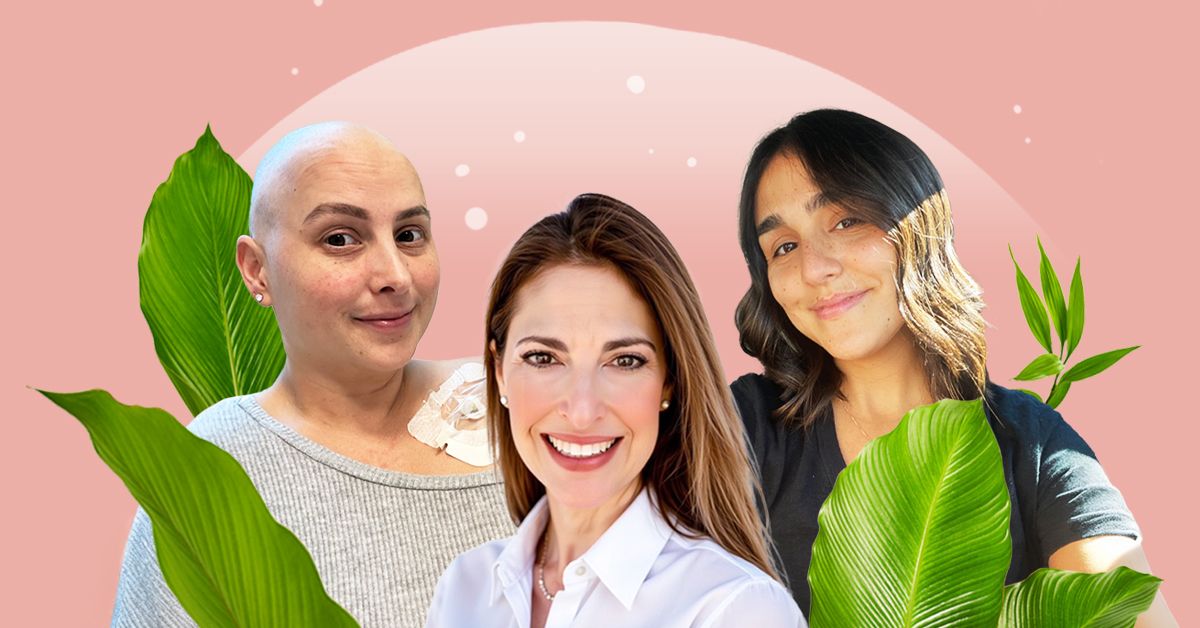
Younger patients often face added pressures: balancing careers and caregiving while undergoing surgery, chemotherapy, radiation, immunotherapy, or other treatments; making rapid decisions about fertility preservation; and coping with treatment-induced early menopause. Below are three women who were diagnosed young, how they navigated treatment and recovery, and the practices they credit with helping them thrive.
Danielle Lindner, 54
At 48, while running a preschool and raising two daughters, Danielle found a lump and was diagnosed with stage 1A breast cancer. She had a lumpectomy followed by radiation. To prioritize healing, she created what she calls a “Cancer Coupon” — a permission slip to ask for help and take time to rest so she could recover fully for her family and business. Today she eats a diet heavy in fruits and vegetables, minimizes highly processed foods and added sugars, stays active, and makes time for friends, family, and travel to support her mental as well as physical well-being.
Stephanie Rico Masterson, 32
Stephanie was 28, newly married and working as a pediatric nurse when pain under her armpit led to an ultrasound and a diagnosis of stage 4 invasive ductal carcinoma. Before starting aggressive treatment — chemotherapy, a double mastectomy, liver ablation, and radiation — she chose to freeze her eggs. She says fertility preservation gave her a sense of agency and hope when much felt uncontrollable. Now cancer-free and a mother through surrogacy, Stephanie focuses on healthy eating, regular activity, and close, in-person relationships. She limits time on social media to concentrate on meaningful conversations and to experience life directly.
Natalia Socorro, 36
Natalia was 33, an assistant principal and mother of four, when she felt a lump she initially assumed was a postpartum change from nursing. At a one-year checkup she was diagnosed with invasive ductal carcinoma. Surgery, chemotherapy, and radiation followed; three years later she remains on medication and has routine surveillance scans. Those follow-ups are both reminders of what she went through and reassurance that she’s being watched. Natalia invests in relationships, recently renewed her vows, and channels her experience into advocacy and fundraising for cancer research. She shares candidly about the hard moments to support others, and she credits balanced nutrition, physical activity, adequate rest, gratitude practices, and faith for sustaining her in remission.
What experts say and what matters
Clinicians urge younger women to be aware of breast cancer risk factors but also note that many people diagnosed young do not have obvious risks, suggesting environmental and other influences. For survivors, exercise is repeatedly emphasized for its benefits to physical conditioning, heart health, mental well-being, and potentially lowering recurrence risk. Early fertility counseling is important for anyone facing treatments that could impair reproductive capacity so they can consider egg or embryo freezing or other options.
Emotional and social supports matter as much as physical care. Survivors report that asking for help, leaning on close family and friends, stepping back from draining online engagement, engaging in meaningful activities, and getting involved in advocacy can all aid recovery and long-term quality of life.
Bottom line
Breast cancer diagnosed before age 50 appears to be rising and likely reflects a mix of lifestyle, reproductive, genetic, and environmental factors. Advances in detection and treatment have improved outcomes, and survivors highlight the same pillars for healing and staying well: nutritious eating, regular exercise, timely fertility counseling when needed, strong emotional support, and living with purpose.