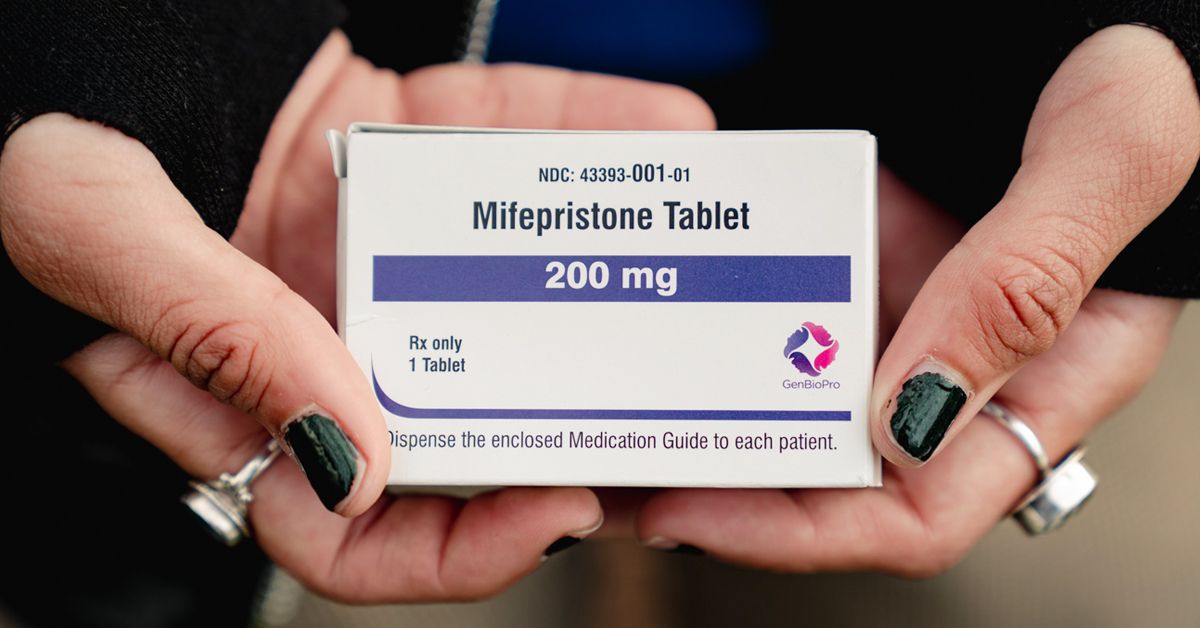

The FDA has approved a generic version of mifepristone — the 200 mg tablet used with misoprostol for medication abortion through 70 days’ gestation. Evita Solutions, LLC received approval under Abbreviated New Drug Application (ANDA) 216616 after the agency determined the product is bioequivalent and therapeutically equivalent to the brand-name Mifeprex made by Danco Laboratories.
Approval is effective immediately. Evita Solutions expects the generic to be available by January 2026, and the move is intended to increase affordability and availability by offering a lower-cost alternative to the branded drug. Another company, GenBioPro, has already supplied a generic mifepristone product for several years.
Safety and regulation
Mifepristone — whether branded or generic — is held to the same safety standards. The drug is distributed under a shared Risk Evaluation and Mitigation Strategy (REMS) designed to ensure the benefits outweigh the risks. The REMS system requires provider certification, patient agreements, and controlled distribution before products enter interstate commerce. The FDA’s approval letter to Evita confirms that its product will participate in the same shared safety framework used by other manufacturers.
Decades of research support mifepristone’s safety and effectiveness when used as directed, and clinicians follow established guidelines for prescribing, patient counseling, and follow-up care. Experts note that much of the public controversy around mifepristone is political and ideological rather than scientific.
Access, cost, and insurance
Introducing an additional generic typically lowers price and can improve access for people facing financial, geographic, or social barriers. However, insurance coverage for the new generic will vary. Health plans may add the product to formularies quickly or wait until routine plan updates; they are not required to include it immediately. State laws also matter: some states restrict abortion and prohibit coverage for abortion-related care, while others require or allow coverage. Because mifepristone is also used to manage miscarriages, some plans in restrictive states may cover it for that indication even if they exclude coverage for abortion.
To determine coverage and expected out-of-pocket costs, contact your health insurer and ask whether mifepristone is covered, whether coverage applies to miscarriage management only or to all approved uses, and whether prior authorization or other requirements apply.
Impact on reproductive care
FDA approval of another generic mifepristone product is a step toward broader access to evidence-based reproductive healthcare. Reducing cost, maintaining rigorous safety protocols, and confronting stigma around abortion and reproductive health are important to improving outcomes and helping people make informed choices.
If you are considering medication abortion or treatment for miscarriage, consult a licensed healthcare provider to discuss eligibility, safe use under REMS requirements, and follow-up care. Also check your insurance plan and local laws to understand coverage and access in your area.