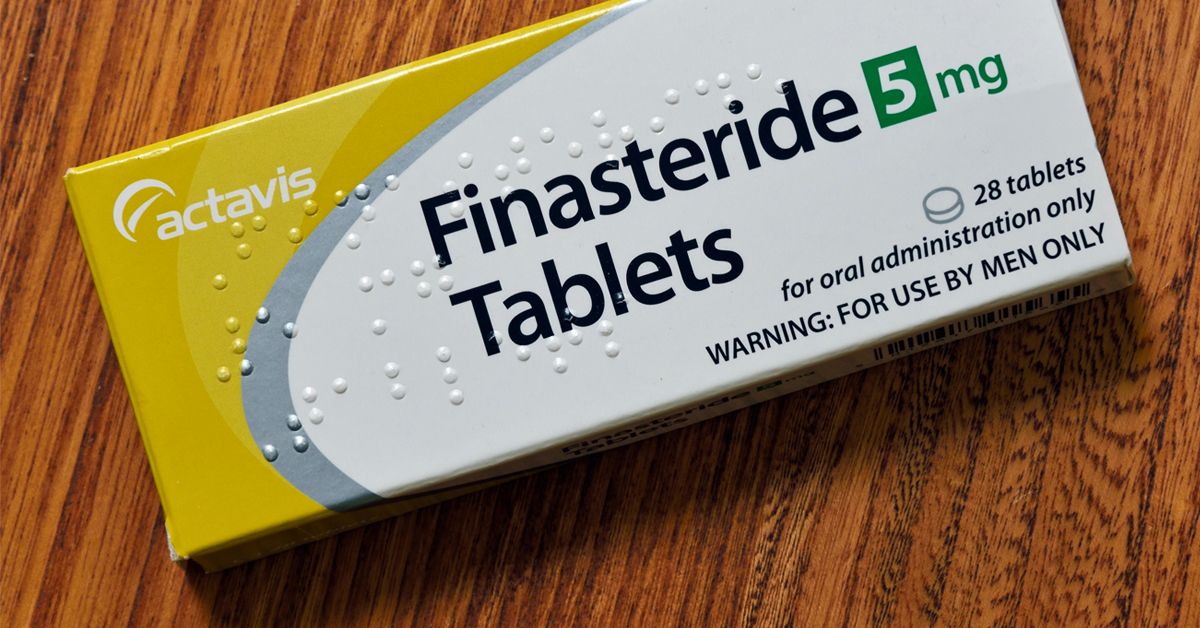

A recent commentary by Mayer Brezis, PhD, reviews published analyses and database studies and raises concerns that men taking finasteride for hair loss may face increased risks of depression, anxiety and suicidal behavior. Brezis, a professor of medicine at Hebrew University, criticizes the original manufacturer and U.S. regulators for not sufficiently investigating or warning the public about potential psychiatric harms from a drug prescribed mainly for a cosmetic purpose.
What the review examined
Brezis assessed four independent analyses of adverse-event reporting systems and four healthcare-record studies published between 2017 and 2023. He concludes these studies show a significant increase in the risk of depression, anxiety, and/or suicidal behavior among finasteride users, with some reports indicating symptoms can persist after stopping the drug. He notes concerns about psychiatric effects date back to 2002 and warns delays in recognition and communication may have exposed many men to harm and potentially contributed to suicides.
Expert responses and caveats
Clinical experts quoted in coverage say the commentary highlights an area that needs more rigorous research but is not definitive proof that finasteride causes these outcomes. They emphasize Brezis’ paper is a commentary synthesizing prior studies rather than new primary research. Some clinicians point out the population seeking 1 mg finasteride for hair loss often has higher baseline rates of low self-esteem or depression, and may differ emotionally from men taking 5 mg for benign prostatic hyperplasia (BPH). Experts call for better-designed studies to clarify which patients are at greatest risk.
Regulatory and manufacturer positions
Organon, which now manufactures finasteride products originally made by Merck, says the drug’s safety and efficacy are well established and that regulators reviewed the data before approval and continue post-marketing surveillance. The FDA added depression to finasteride’s label in 2011 and included suicidality as a possible side effect in 2022. News reports cite more than 700 submissions to regulators describing suicidal thoughts or attempts among finasteride users.
Dosing, possible explanations and side effects
Finasteride for male pattern hair loss is typically prescribed at 1 mg (Propecia); a 5 mg dose (Proscar) is used for BPH. Brezis’ review did not find clear evidence of higher risk at the 5 mg dose, suggesting differences may reflect the hair-loss population rather than dose alone. Commonly reported sexual side effects include reduced libido and erectile dysfunction; other effects can include breast enlargement, rash and, less commonly, depression and allergic swelling. Topical finasteride has shown benefit in some studies, but regulators have warned about risks with compounded topical products.
Recommendations and practical advice
Brezis urges changes in how drugs prescribed for cosmetic reasons are approved, monitored and marketed, including stronger post-marketing studies and systematic recording of drug histories in suicide investigations. Clinicians recommend assessing mental-health history before prescribing, discussing risks and alternatives, considering nonpharmacologic approaches, and monitoring patients closely for new or worsening depression or suicidal thoughts. If psychiatric symptoms appear, physicians advise stopping the medication and evaluating the patient. Patients are encouraged to read drug information, discuss concerns with their prescriber, and avoid unregulated online sources for medication.