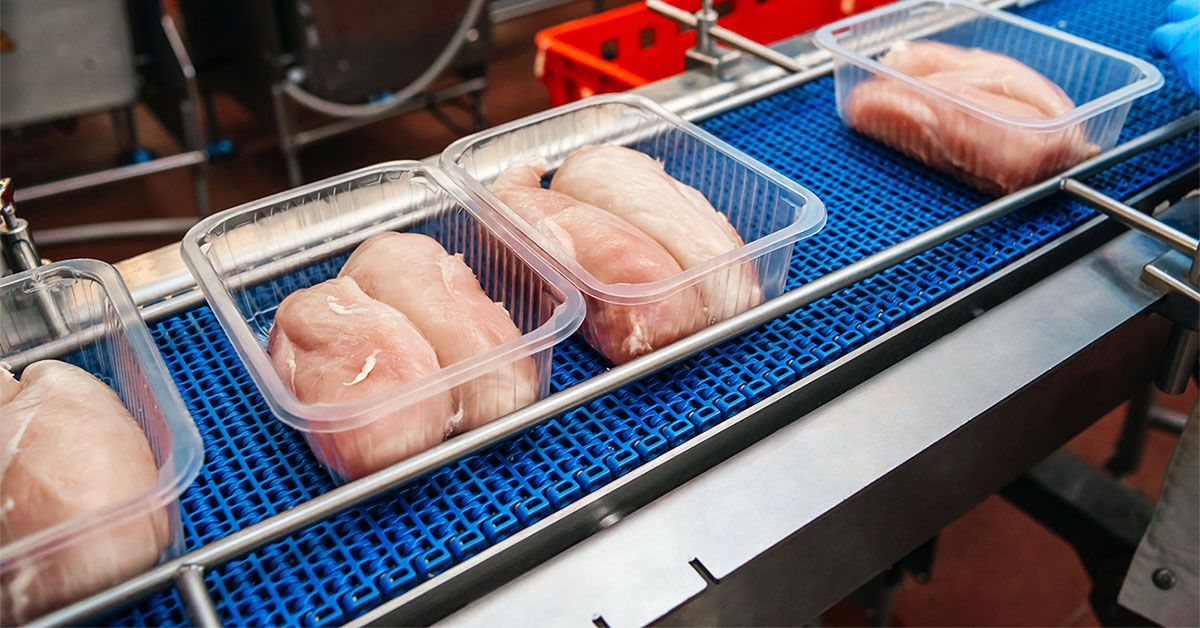

A new study published in mBio (October 23) found that about 18% of urinary tract infections (UTIs) were linked to E. coli strains found in retail meat — most commonly chicken and turkey, followed by pork and then beef. The authors say animal-borne infections disproportionately affect people in low-income neighborhoods, women, and older adults, and that industrial farming practices may be increasing the risk.
UTIs are usually caused by Escherichia coli and are among the most common bacterial infections worldwide. In the U.S. they prompt roughly 8 million doctor visits each year; about 10 in 25 females and 3 in 25 males will have a UTI at some point. Typical symptoms include painful or frequent urination and cloudy or unusually odorous urine, and antibiotics are generally effective.
The research analyzed 23,483 UTI cases from eight counties in Southern California and compared those infections with 12,616 E. coli isolates taken from retail chicken, turkey, pork, and beef bought in the same region. The investigators conclude the findings are likely relevant nationally because most U.S. meat and poultry are widely distributed. “These infections are likely to occur anywhere the contaminated meat is consumed,” said senior author Lance B. Price, PhD, of the Milken Institute School of Public Health at The George Washington University.
Key findings and patterns
– Overall, 18% of UTIs in the study were linked to animal-based foods, with poultry showing the strongest association.
– About 88% of the UTIs in the study occurred in females, reflecting known anatomical risk factors: a shorter urethra and its proximity to the anal area make it easier for bacteria to reach the bladder, noted Sherry Ross, MD, an OB-GYN and women’s health expert.
– People living in the poorest neighborhoods had a 1.6-fold higher risk of food-borne (zoonotic) UTIs than those in higher-income areas; in low socioeconomic areas the zoonotic infection rate reached about 21.5%, roughly 60% higher than in wealthier neighborhoods.
– Zoonotic UTIs were more common among Hispanic people; the study reports an approximate 31% zoonotic UTI rate in Hispanic participants, about 37% higher than the rate among non-Hispanic white participants.
Possible causes and solutions
The researchers suggest that intensive livestock production may amplify high-risk E. coli strains. Price and colleagues propose measures such as vaccinating livestock against problematic E. coli strains or other on-farm interventions to reduce the bacterial reservoir in animals and lower human infections.
Preventing zoonotic UTIs at home
Experts emphasize that standard food-safety and hygiene measures remain the best defense:
– Wash hands thoroughly before and after handling raw meat and after using the restroom.
– Cook poultry, pork, and beef to safe internal temperatures; avoid undercooked or raw animal products.
– Prevent cross-contamination by using separate cutting boards and utensils for raw meat and other foods, and clean food-preparation surfaces between tasks.
The study broadens the view of UTI prevention by highlighting foodborne sources of E. coli, suggesting that protecting the public food supply and following careful kitchen hygiene can help lower a substantial share of these infections.