
Federal food safety agencies are warning consumers about ready-to-eat pasta meals that may be contaminated with Listeria monocytogenes. The FDA has been investigating a national outbreak tied to prepared pasta meals since June. The CDC reports 20 confirmed listeriosis cases and four deaths across 15 states, including California, Texas, Louisiana, Illinois and Michigan.
Retailers that sold implicated products include Trader Joe’s, Walmart (Marketside), Kroger and Albertsons. Supplier Nate’s Fine Foods has recalled certain lots of pre-cooked pasta, and multiple prepared meals and deli items made with that pasta have been removed from store shelves. The FDA has identified several affected products, including:
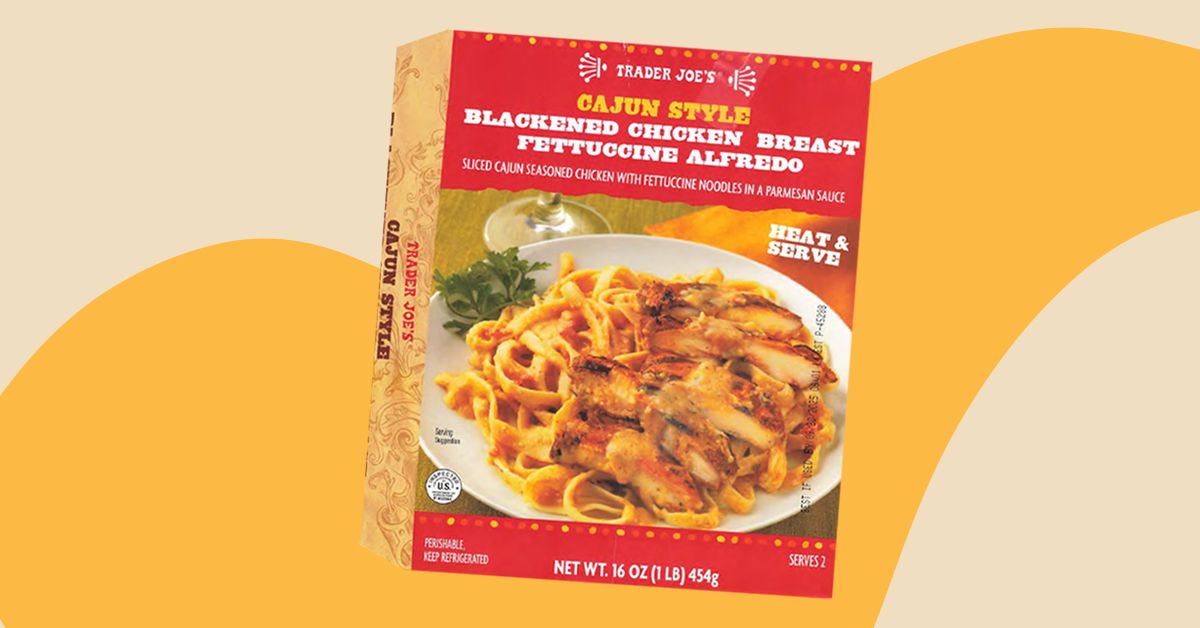
– Trader Joe’s Cajun Style Blackened Chicken Breast Fettuccine Alfredo (16 oz)
– Marketside Linguine with Beef Meatballs & Marinara Sauce (12 oz)
– Marketside Grilled Chicken Alfredo with Fettuccine (12.3 oz and 32.8 oz)
– Home Chef Chicken Fettuccine Alfredo (12.5 oz)
– Scott & Jon’s Shrimp Scampi with Linguini Bowls (9.6 oz)
Albertsons also voluntarily recalled select deli items that contained bowtie pasta supplied by Fresh Creative Foods. FreshRealm, the manufacturer of the chicken fettuccine alfredo meals, began ingredient testing during the FDA’s probe and found genetically related Listeria strains linking its products to the outbreak. FreshRealm and other companies notified regulators and removed products after Listeria was identified in an ingredient from a third-party supplier. Trader Joe’s says it is recalling product out of caution; no finished products at its stores have tested positive to date.
What consumers should do
– Check refrigerators and freezers for recalled items. Discard them or return them to the place of purchase for a refund.
– Consult the FDA and CDC outbreak pages for specific lot numbers and use-by dates; if you’re unsure whether a product you have is implicated, contact your retailer or those agency resources.
– Clean and sanitize any surfaces, utensils and refrigerator or freezer areas that may have come into contact with recalled foods.
About listeriosis
Listeriosis is a serious infection. In the United States about 1,250 people are diagnosed each year; nearly all cases require hospitalization and roughly one in five patients die. Early symptoms can include fever, nausea, vomiting, diarrhea and muscle aches and may resolve in 1–3 days for mild cases. More severe illness can cause headaches, neck stiffness, confusion, loss of balance and seizures. Pregnant people, newborns, adults 65 and older, and people with weakened immune systems are at highest risk. Infection during pregnancy can cross the placenta and lead to miscarriage, stillbirth or severe newborn illness.
Treatment and when to seek care
Listeriosis requires specific antibiotics. Anyone who develops symptoms after eating a recalled product should contact a healthcare provider promptly so testing and treatment can begin. Early medical attention improves outcomes.
How contamination happens and how to reduce risk
Listeria is common in the environment (soil, water, animals) and can contaminate raw ingredients before they reach processing facilities. The bacterium can survive and grow in cold conditions and may persist in unsanitary factory environments, contaminating equipment, surfaces or ready-to-eat foods after cooking. Preventing listeriosis depends on sanitation and safe handling throughout the food chain and in home kitchens.
Simple precautions
– Do not eat recalled products; discard them or return them to the retailer.
– Clean and sanitize any areas or utensils that touched recalled foods, including refrigerator and freezer compartments.
– Wash fruits and vegetables before eating.
– Cook foods to recommended safe temperatures.
– Wash hands frequently and keep kitchen surfaces clean.
Health officials warn that new cases may continue to be identified because Listeria infections can take weeks to develop. If you think you may have eaten a contaminated product or develop symptoms consistent with listeriosis, contact your healthcare provider right away. For details on specific recalled lots and expiration dates, consult the FDA and CDC outbreak pages.