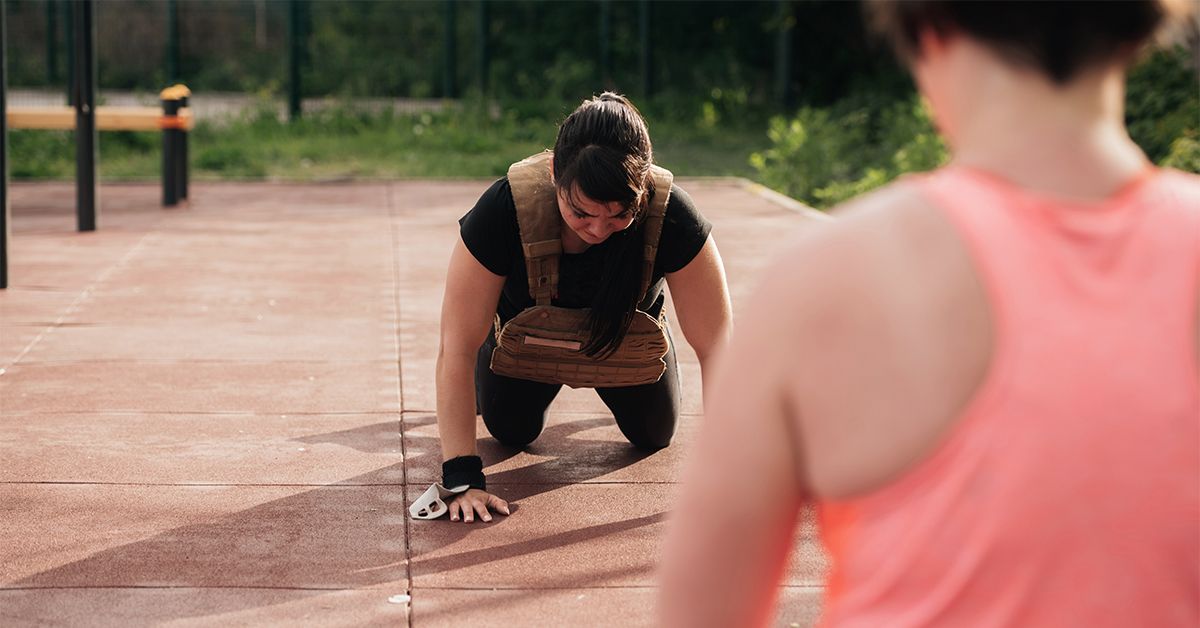

Weighted vests are widely used in gyms, parks, and on social media, often promoted for benefits like better posture, stronger bones, more calories burned, and improved strength and endurance. Enthusiastic personal reports are common, but the scientific evidence is limited and mixed. Whether a vest is useful depends on your fitness level, goals, and health status.
What the evidence shows
– Increased exercise intensity: One consistent finding is that wearing a vest raises physiological demand. During walking, running, circuit sessions, or bodyweight exercises, a vest typically increases oxygen uptake, heart rate, carbohydrate use, and overall energy expenditure without necessarily changing gait. That makes a vest a practical way to raise cardiovascular challenge in routine activities. Athletes sometimes use vests for sport-specific conditioning (for example, resisted sprints).
– Strength, power, and endurance: Adding external load increases the stimulus for muscles and the cardiorespiratory system, which can modestly improve strength, power, and endurance compared with the same movements without added weight. However, for clear, large gains—especially in muscle hypertrophy—structured progressive resistance training remains superior.
– Weight loss and body composition: Results are mixed and seem to depend on diet and lifestyle. A small pilot study in older adults with obesity found that combining a weighted vest with caloric restriction produced similar six-month weight loss to caloric restriction alone, though those who used vests regained weight more slowly over two years; researchers proposed the vest might help preserve resting metabolic rate during loss. A Swedish trial had participants wear relatively heavy vests (about 11% of body weight) for eight hours a day over five weeks and reported reductions in fat mass and increases in lean mass without a significant change in total body weight. That study instructed participants to maintain usual routines while wearing the vest, suggesting possible compositional benefits, but it lacked a non-vest control group and also linked heavier vests to more sedentary time and musculoskeletal complaints.
What claims lack strong proof
– Posture: There’s little direct evidence that a weighted vest corrects postural problems. Vests might offer some support when combined with targeted corrective exercises, but established stretching and strengthening programs are better-proven for posture improvement.
– Muscle growth: Wearing a vest during daily activities can increase muscular stimulus and help maintain muscle, but true hypertrophy generally requires progressive loading through a full range of motion as in structured resistance training.
– Bone density: Mechanical loading can theoretically benefit bone, and some small studies suggested jumping-plus-vest protocols might help, particularly in postmenopausal women. However, results are inconsistent. A recent trial in JAMA (2025) found neither weighted-vest training nor resistance training prevented bone loss linked to weight loss in older adults with obesity. No definitive trials show vests reliably increase bone mineral density in broad populations.
Practical guidance and precautions
– Use as an optional tool: For most people aiming to improve cardiorespiratory fitness, following established guidelines (about 150 minutes of moderate-intensity aerobic exercise weekly) produces substantial benefit. A weighted vest is one way to increase intensity but not a required substitute for proven exercise recommendations.
– Start light and progress slowly: Begin with small loads—often under 5% of body weight, and sometimes as little as 1% depending on fitness—and raise weight gradually as tolerance and technique allow.
– Supervision and program design: Older adults and people focused on function may benefit most when vest use is incorporated into task-specific or velocity-based programs supervised by a professional; studies suggest possible improvements in muscle power, balance, and functional ability and reductions in fall risk when applied appropriately.
– Medical cautions: Consult a clinician before trying weighted-vest training if you have cardiovascular disease, uncontrolled high blood pressure, active joint injuries (back, hip, knee), or balance problems. Added load increases cardiovascular strain and joint stress and may worsen symptoms or injury risk if applied inappropriately.
Bottom line
Weighted vests can be a useful way to increase exercise intensity and may produce modest benefits for strength, endurance, and sometimes body composition in specific contexts. They are not a miracle cure for weight loss or bone density, and evidence for many popular claims is weak or mixed. If a vest helps you stick to activity goals and is used sensibly within a balanced diet and exercise plan, it can be worth trying. The most important factors remain consistency, appropriate progression, and medical supervision when needed.