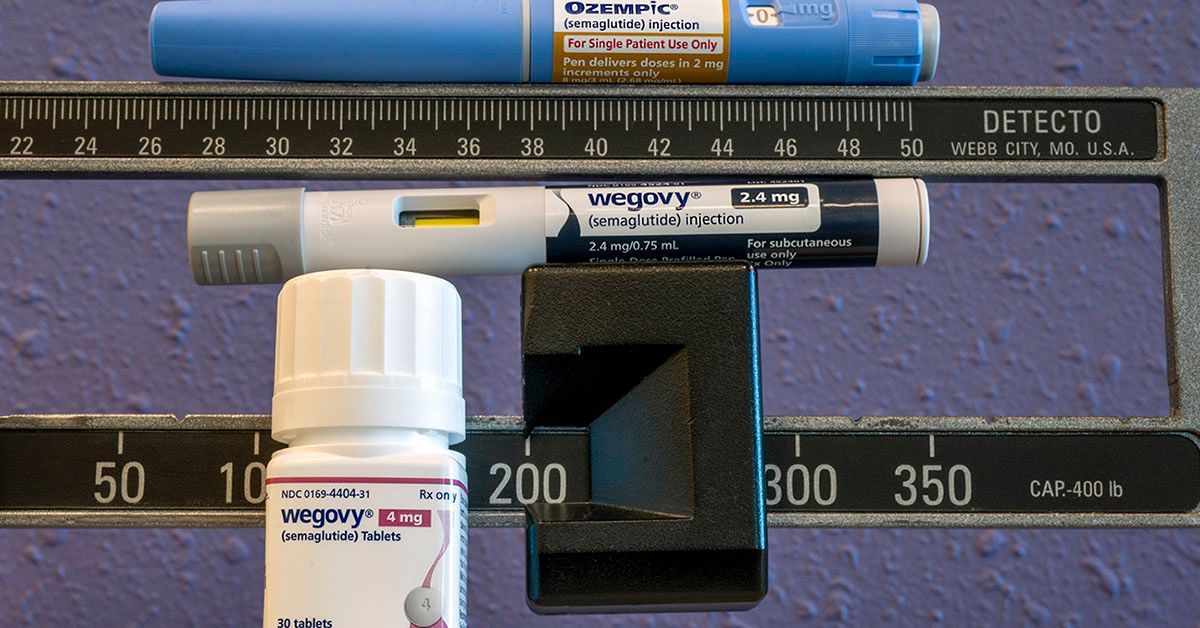

GLP-1 medications such as Ozempic and Wegovy typically produce about 15–20% body-weight loss, and are often prescribed as long-term therapies because many people regain weight after stopping. Roughly 32% of patients who start GLP-1 therapy discontinue within a year, commonly due to cost or side effects.
A small study published in Obesity explored whether some people can sustain weight loss while reducing injection frequency. Researchers followed 30 volunteers who tapered dosing: 24 reported spacing injections at least two weeks apart (some up to six weeks), and six used injections every 10–14 days. Participants remained on their reduced schedules for an average of 36 weeks. Nearly all maintained the same body mass index; four had small weight regain (the largest gain about 8 pounds), and a few experienced modest additional BMI reductions.
Investigators described this structured de-escalation as a promising way to lower treatment burden without losing effectiveness. Clinicians with experience using GLP-1s report similar findings: many patients who achieved weight loss can maintain it with lower doses or less frequent injections. Endocrinology experts also emphasize that tapering should be done gradually to identify the lowest effective dose or interval, and that GLP-1 therapy works best when combined with regular physical activity and dietary changes.
Standard GLP-1 regimens for weight loss are usually once-weekly (some formulations are daily). This small study suggests that less frequent dosing might help some people sustain results and make longer-term use more manageable. However, experts warn tapering isn’t suitable for everyone: four people in the study returned to their original dosing after regaining weight, and abrupt discontinuation is not advised. Reducing dose or frequency is generally preferable to stopping entirely.
If larger randomized trials confirm these findings, reduced-frequency strategies could ease concerns about lifelong therapy, lower costs, relieve supply constraints, and expand access. For now, clinicians and patients should treat obesity as a chronic condition and discuss individualized plans under medical supervision, weighing benefits, risks, and feasibility before changing a GLP-1 regimen.