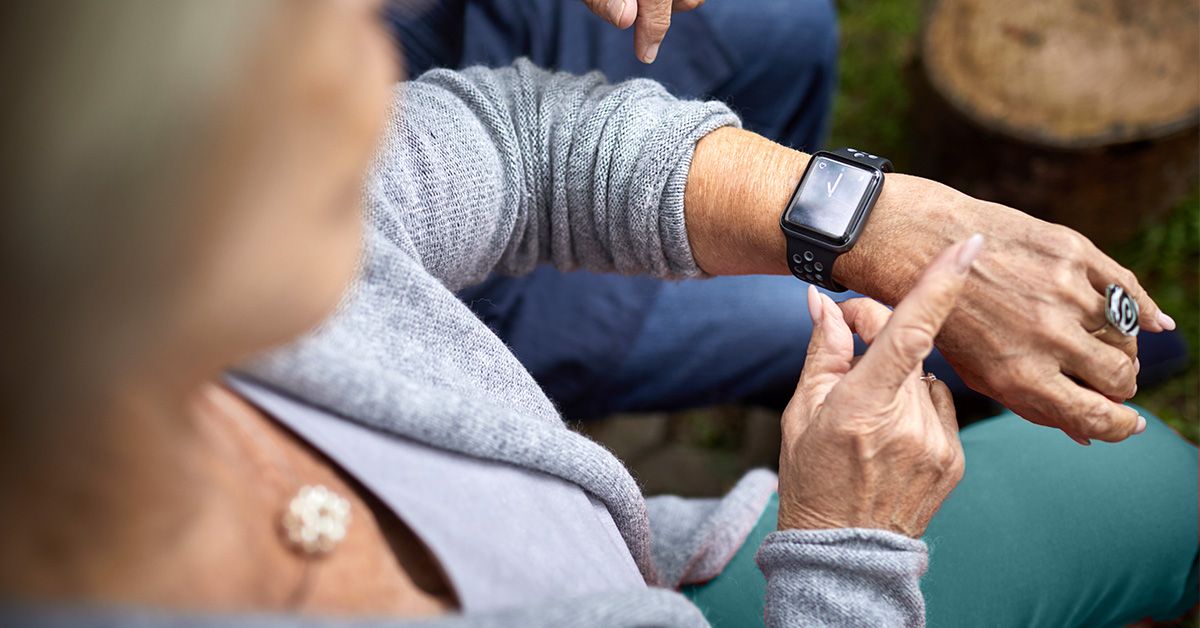

New research from McMaster University suggests that wrist-worn devices like smartwatches can detect early warning signs that someone recovering from major depressive disorder (MDD) is at higher risk of relapse. Published in JAMA Psychiatry, the study found that patterns in sleep and activity measured by wearables could predict relapse weeks or even months before clinical symptoms reappeared.
The study tracked 93 adults across Canada who had recovered from major depression. Participants wore research-grade actigraphy devices, similar to commercial fitness trackers, for between one and two years. The project produced more than 32,000 days of continuous sleep and activity data, which researchers analyzed to identify changes that tended to come before a return of depressive symptoms.
Major depressive disorder, also called clinical depression, involves persistent low mood and loss of interest or pleasure and can affect thinking, behavior, and physical functioning. Relapse is common: up to roughly 60% of people with MDD experience at least one relapse in their lives.
Key findings from the wearable data included:
– People with the most irregular sleep schedules had nearly double the risk of relapse.
– The strongest single predictor was a reduced contrast between daytime activity and nighttime rest, often described as lower relative amplitude.
– Increased time awake after initially falling asleep predicted higher relapse risk.
– Individuals tended to develop more erratic sleep timing in the period leading up to relapse.
Authors and external experts emphasized the potential of passive, continuous monitoring to bridge gaps between clinical visits. Study coauthor Benicio Frey, MD, said advances in digital tools and artificial intelligence could enable systems that alert users and clinicians weeks in advance, prompting earlier contact. Alex Dimitriu, MD, noted that long-term wearable tracking can reveal subtle, hard-to-detect patterns, with variability in sleep proving especially informative in this study.
Therapist Rod Mitchell compared wearable data to a seismograph that picks up tremors before a larger event, calling sleep disruption an early biological warning distinct from self-reported mood ratings. Sleep specialist Sarathi Bhattacharyya, MD, added that sleep-tracking information can meaningfully inform clinical decisions and that many consumer devices already offer basic sleep monitoring features.
Decades of research show a two-way relationship between sleep and depression. Insomnia and other sleep problems are common in depression—occurring in 80 to 90 percent of people with the condition—and having chronic insomnia roughly doubles the risk of developing depression. This study reinforces the idea that tracking and treating sleep could be a practical strategy to help prevent relapse.
Common symptoms of MDD include persistent sad or empty mood, irritability, hopelessness, loss of interest in usual activities, guilt, trouble concentrating, fatigue or slowed movements, appetite or weight changes, unexplained aches, and thoughts of death or suicide. Diagnostic criteria generally require symptoms to be present most of the day, nearly every day, for at least two weeks.
The researchers suggest that wearable-derived alerts could help health systems focus care on those most at risk, potentially improving outcomes and reducing the burden of recurrent episodes. For individuals recovering from depression, prioritizing sleep regularity and quality remains a recommended approach to support mental health.
If you are experiencing persistent symptoms of depression, consider reaching out to a mental health professional or healthcare provider for assessment and support.