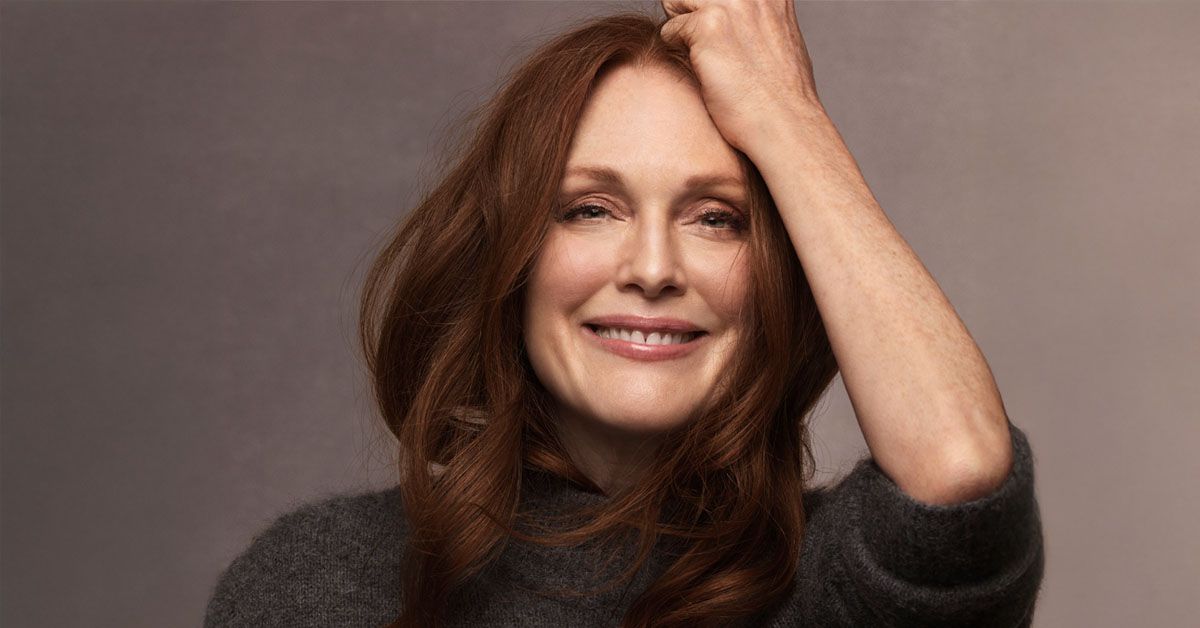

Julianne Moore won an Academy Award in 2015 for her portrayal of a linguistics professor diagnosed with early-onset Alzheimer’s in the film Still Alice. At the time, she said she “knew absolutely nothing about Alzheimer’s” and spent roughly two months preparing by watching films, meeting doctors, visiting care facilities, and speaking with people living with the disease and their caregivers. She called the experience “fascinating and really, really engaging and eye-opening.”
Ten years on, Alzheimer’s feels more personal to Moore as she sees it affecting colleagues and families connected to her children’s schools. She has joined Eli Lilly & Co.’s Brain Health Matters campaign, which promotes proactive approaches to brain health: start early, talk to clinicians about risk, seek cognitive assessments when appropriate, and adopt habits that support lifelong brain function. Moore encourages people to discuss lifestyle changes and screening with their doctors rather than waiting for symptoms to appear.
Hillary A. Parker, PhD, director of the geriatric neuropsychology service at The Ohio State University Wexner Medical Center, tells Healthline that research shows people at higher risk for cognitive decline can take steps to lower that risk. She emphasizes that habits formed in younger years often have the biggest long-term impact on brain health.
Parker’s practical recommendations include:
– Physical strategies: Keep moving — regular activity and exercise (even walking) benefit the brain. Follow heart-healthy diets such as the Mediterranean or MIND diets, avoid smoking and heavy alcohol use, and manage chronic conditions like hypertension and diabetes. Address hearing and vision loss, because untreated sensory changes are linked to higher dementia risk.
– Cognitive strategies: Pursue education and mentally stimulating activities to build cognitive reserve. There’s no single superior “brain-training” program; the key is choosing activities that interest and challenge you. Options include crosswords and puzzles, music, reading, gaming, travel, woodworking, gardening, and learning new skills.
– Social strategies: Maintain strong social connections across the lifespan. Social engagement supports mental wellness, and research links social isolation and depression with increased dementia risk.
Parker also notes that occasional memory lapses are common with aging and don’t always signal Alzheimer’s. Typical age-related changes include misplacing items, brief “tip of the tongue” struggles, forgetting why you entered a room, and slower task completion. Many other conditions can cause cognitive problems as well — for example, depression, sleep apnea, heavy alcohol use, poorly controlled diabetes, nutritional deficiencies, and infections.
Genetics plays a smaller role in Alzheimer’s that begins after age 60; personal health history and lifestyle often matter as much or more. Early-onset Alzheimer’s, like the condition portrayed in Still Alice, more often involves genetic risk factors.
If you’re over 50 and noticing memory loss that goes beyond common forgetfulness, Parker recommends discussing it with a healthcare professional and pursuing a comprehensive evaluation. Consultation with a neuropsychologist and a cognitive neurologist can help pinpoint causes and create an individualized plan for treatment and risk reduction.