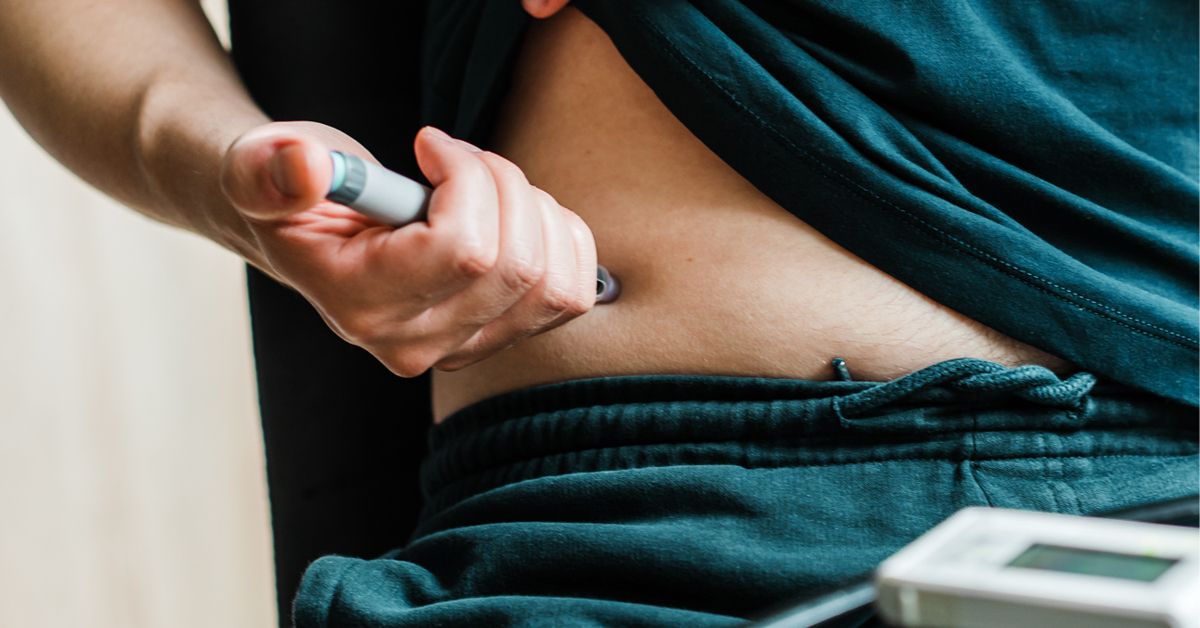

Two randomized clinical trials published September 14 in The Lancet Diabetes & Endocrinology found that larger weekly doses of semaglutide produced substantially greater weight loss than the standard approved dose or placebo, with more frequent but generally described as manageable side effects.
Trial 1 — people without diabetes
– Design and participants: 1,407 adults with obesity (mean age 47, mean BMI ≈40; 73% female) enrolled at 95 sites across 11 countries and followed from January 2023 to November 2024. All participants received lifestyle counseling on diet and exercise.
– Intervention: Most participants received 7.2 mg weekly semaglutide (triple the usual 2.4 mg dose for weight management); others received 2.4 mg or placebo.
– Efficacy: Mean weight loss was 19% in the 7.2 mg group, 16% with 2.4 mg, and about 4% with placebo. Roughly half of people on 7.2 mg lost at least 20% of body weight, and about one-third lost 25% or more.
– Safety: Gastrointestinal adverse events were more common at the higher dose but investigators characterized them as generally manageable.
Trial 2 — people with type 2 diabetes
– Design and participants: 512 adults with obesity and type 2 diabetes (mean age 56, mean BMI 38, mean HbA1c ~8%; 52% female) enrolled at 68 sites between January and May 2023.
– Efficacy: Mean weight loss was 13% with 7.2 mg, 10% with 2.4 mg, and about 4% with placebo. The higher dose also produced larger reductions in waist circumference and blood glucose levels.
– Safety: Higher rates of gastrointestinal effects were again reported with the larger dose and described as manageable by investigators.
Safety signals, conflicts, and expert perspectives
– Neurologic symptoms: Investigators and commentators noted an increased frequency of dyseasthesia (abnormal skin sensations such as burning or pain) with the higher dose (22.9% vs 6% with the lower dose). About 18.7% of those affected had not recovered by the end of follow-up, highlighting the need for further study to define this risk and its persistence.
– Funding: Both trials were funded by Novo Nordisk, the manufacturer of semaglutide products.
– Expert views: Mir B. Ali, MD, a bariatric surgeon, noted GLP‑1 receptor agonists are currently the most effective medications for weight loss, while emphasizing that bariatric surgery remains the most effective option for suitable candidates and that medical therapy often requires long-term continuation because weight typically returns after stopping. Dan Azagury, MD, said the higher dose appears more effective while keeping a similar profile for typical GI side effects, but stressed that longer-term safety data are needed given the neurologic signal.
– Regulatory and practical considerations: The FDA‑recommended semaglutide dose for weight management is 2.4 mg weekly (Wegovy). Higher doses would be off‑label, could raise long‑term safety questions, and may increase out‑of‑pocket costs because insurance coverage for off‑label dosing is often limited.
Context and clinical implications
– Semaglutide is one of several GLP‑1 receptor agonists marketed under names such as Ozempic, Wegovy, and Rybelsus; some formulations are approved for diabetes and Wegovy is approved for weight management. Other injectable agents for weight loss include tirzepatide (brands such as Mounjaro and Zepbound).
– Clinicians and patients should weigh the greater efficacy seen with higher doses against the potential for more adverse effects, limited long-term safety data, off‑label status, and cost. Decisions should include discussion of monitoring plans and strategies for managing side effects.
– Experts emphasize that pharmacologic and surgical treatments are tools to support weight loss but are most effective when combined with sustained lifestyle measures (balanced diet, regular physical activity, sleep hygiene) and multidisciplinary follow‑up (medical supervision, dietitians, behavioral support) to maintain benefits.
Bottom line
The trials demonstrate dose‑dependent, clinically meaningful increases in weight loss with weekly semaglutide doses higher than the currently recommended 2.4 mg, but they also raise safety and practical questions — especially a signal for neurologic symptoms and the off‑label nature of higher dosing. Investigators and commentators call for additional, longer‑term trials to better define risks, durability, and the net benefit of higher semaglutide doses.