The UK is seeing an unusually early and sharp rise in flu cases, prompting concerns that the NHS could face a prolonged winter of increased illness and demand. Surveillance from the UK Health Security Agency (UKHSA) shows flu test positivity has climbed to 8.2% this week, up from 6.1% recently and roughly three times higher than the 2.9% recorded at the same point last year. The increase is being driven largely by infections in school‑aged children. Similar early activity in the Asia‑Pacific region — including a declared influenza epidemic in Japan that has led to school closures — raises the possibility of wider spread in the coming weeks.
Vaccination activity and access
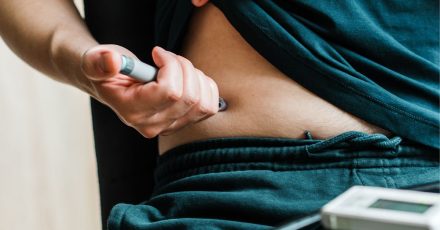
So far this autumn the NHS has delivered 12,219,568 flu vaccines. That total includes 6,770,248 doses for people aged 65 and over, about 1.8 million for school‑age children, and more than 366,000 for two‑ and three‑year‑olds. To improve access, eligible people have been able to book flu and COVID‑19 vaccine appointments since 1 September for the first time, and NHS teams are offering jabs in pharmacies, GP surgeries and community drop‑in clinics.
Who should get the flu vaccine
All eligible adults are advised to get their flu jab by the end of November. Vaccination is offered to:
– everyone aged 65 and over
– people under 65 in clinical risk groups
– care home residents and their carers
– pregnant women
– close contacts of people who are immunosuppressed
– frontline health and social care workers
– children (via school programmes or GP appointments for two‑ and three‑year‑olds)
Parents are urged to return school vaccination consent forms or to book GP appointments for two‑ and three‑year‑olds so children are protected ahead of the busy Christmas period.
NHS and UKHSA advice
NHS leaders and UKHSA experts say the early rise in children is worrying because increases in youth transmission often precede spread to adults. They emphasise that annual vaccination matters: the circulating strains can change each year and vaccines remain the most effective, safe way to reduce illness and protect vulnerable people. Those eligible should book their vaccine as soon as possible.
If you have flu or COVID‑19 symptoms — such as a high temperature, cough, fatigue or body aches — minimise contact with other people, particularly those who are vulnerable. If you must go out, consider wearing a face covering, wash your hands regularly and keep indoor spaces well ventilated.
More information
For full details on eligibility, vaccination locations and how to book, visit NHS online resources or contact your local GP or health provider.