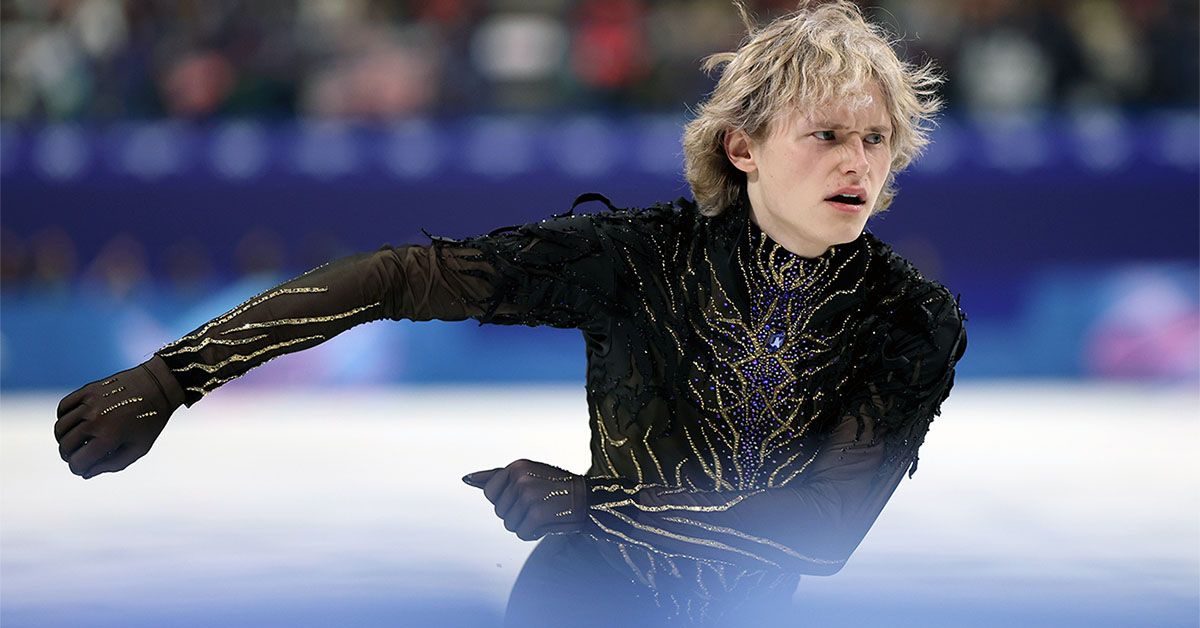

Ilia Malinin, the 21-year-old U.S. figure skater known as the ‘Quad God,’ said internal struggles played a major role in his eighth-place finish in the men’s event at the 2026 Milan–Cortina Winter Olympics. Malinin fell twice in his free skate and, in an Instagram post on February 16, described fighting ‘invisible battles’ and being plagued by negative thoughts before stepping onto the ice.
He wrote that even athletes who look strongest can be battling turmoil inside, and that hateful online attacks and fear can taint happy memories and pile up until a moment of competition becomes overwhelming. Malinin, who arrived at the Games as one of the sport’s most dominant competitors — a two-time reigning world champion, three-time consecutive Grand Prix Final and U.S. champion, the only skater to land a quadruple axel in competition, and the first to land seven quads in a single program — said the pressure of being an Olympic gold favorite felt too heavy to handle. ‘All of this pressure, all of the media, and just being the Olympic gold hopeful was a lot,’ he told NBC News, admitting it was more than he could manage.
Performance anxiety is common in sport. A 2019 review estimated roughly 30 to 60 percent of athletes experience it, typically as intense pre-competition worry that can disrupt focus and execution. While older models like the Yerkes-Dodson Law suggested an optimal mid-level of arousal for peak performance, more recent research indicates that cognitive anxiety before an event is often harmful: the calmer an athlete can be before and during a performance, the better, says Alex Dimitriu, MD, a psychiatry and sleep medicine specialist.
Symptoms of performance-related anxiety include overwhelming fear of failure, loss of focus, overthinking or freezing on actions that are normally automatic, and doubt about one’s abilities. Malinin told TODAY on February 17 that the attention and expectations ‘really can get to you if you’re not ready to fully embrace it,’ and acknowledged he may not have been prepared to handle that pressure.
Dimitriu recommends practical steps athletes can take:
– Recognize when anxiety is intense enough to impair performance.
– Work with a mental health professional familiar with sports; cognitive behavioral therapy (CBT) can target performance-related thoughts and habits.
– Train the mind as well as the body: practice mindfulness, controlled breathing, and visualizing how to respond to mistakes.
– Build consistent pre-performance routines, including warm-ups, mental cues, music, self-talk, and brief meditative practices to ground focus.
Fellow elite athlete Simone Biles reached out privately to Malinin after watching his struggles. Biles, who experienced the ‘twisties’ at the Tokyo Olympics — a sudden loss of spatial awareness in the air that has parallels in other sports to what people call the ‘yips’ — said she understands how isolating and frightening that loss of control can feel. She told TODAY she had sent him supportive messages on Instagram and believes he will rebound: ‘I see him coming out on top after this. We’re all just cheering for him.’