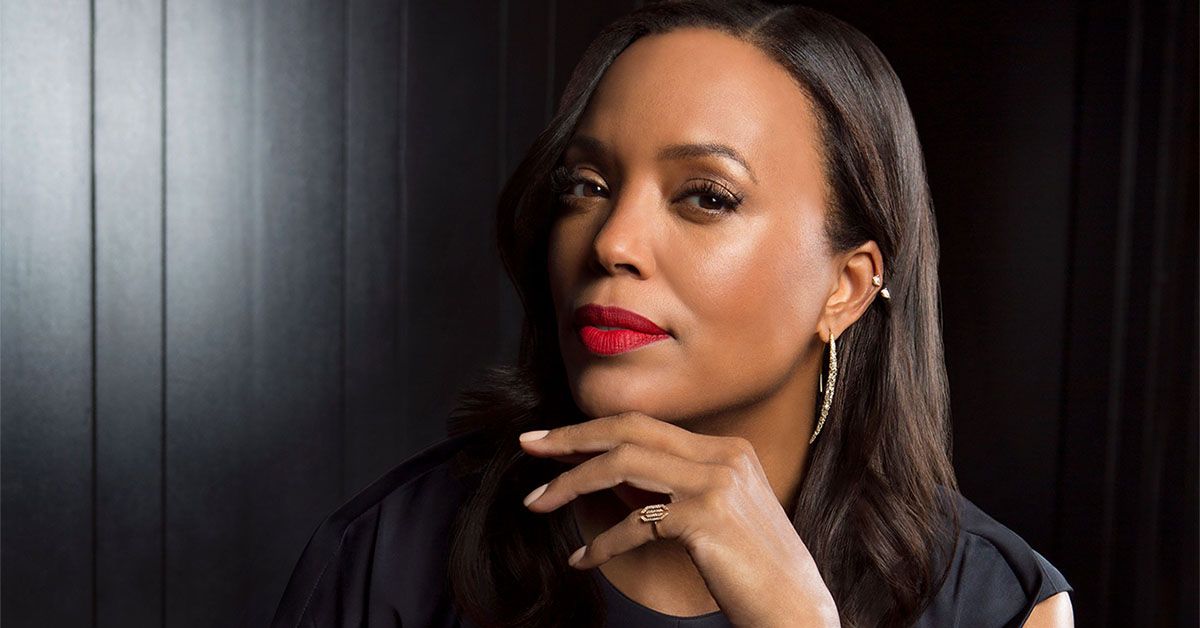

When actor and director Aisha Tyler learned her father had suffered a major stroke, it changed how seriously she takes blood pressure and preventive health. Her father was fit and active, so the stroke was unexpected and drove home a key point: hypertension can be silent and strike even people who seem healthy.
Tyler teamed with the CDC Foundation on the Hypertension Bites campaign to help adults—especially those in midlife—understand high blood pressure and how to manage it. Nearly half of U.S. adults have high blood pressure, and if it’s uncontrolled it’s the leading risk factor for heart attack, stroke, aneurysm, aortic dissection, kidney failure, and dementia.
Cardiologist Bhavna Suri, MD, explains why that risk is so serious: long-term high blood pressure can thicken and weaken the heart (left ventricular hypertrophy), damage retinal blood vessels and threaten vision, and accelerate atherosclerosis, which can contribute to erectile dysfunction. Because hypertension often shows no obvious symptoms, people frequently blame headaches, dizziness, vision changes, or fatigue on stress, aging, or lack of sleep instead of checking their blood pressure.
The good news is that hypertension is treatable. Many people keep their numbers in a healthy range through lifestyle changes and medication. Tyler says the campaign’s message is deliberately simple: see your doctor, learn your numbers, and make a clear plan. Medication, when indicated, works—and ignoring the issue because it’s “out of sight, out of mind” is dangerous.
After her father’s stroke, Tyler reassessed her own risk and adjusted daily habits to reduce the chance of stroke, kidney damage, and cognitive decline. She moved away from a “no-pain, no-gain” athlete mindset and began prioritizing rest and recovery. Getting about eight hours of sleep a night is now a nonnegotiable because of sleep’s wide-ranging effects on health and cognition.
Daily walks—sometimes gentle, sometimes twice a day—help Tyler manage stress and reset mentally. She follows content about women’s health and optimization, practices deliberate stress reduction, and leans into social supports. Dietary tweaks include more vegetables, fewer processed foods, and reserving treats like wine as occasional indulgences rather than daily habits.
Tyler admits she’s a natural workaholic, but with age she’s pursued a better balance: maintaining ambition while protecting rest, creativity, and relationships. She emphasizes that friendships and meaningful connections help people stay active and engaged as they age.
Tyler’s takeaway: know your blood pressure numbers, make a plan with your clinician, and combine medication when needed with lifestyle steps—sleep, movement, stress management, and a balanced diet—to reduce risks. This interview has been edited and condensed for clarity and length.