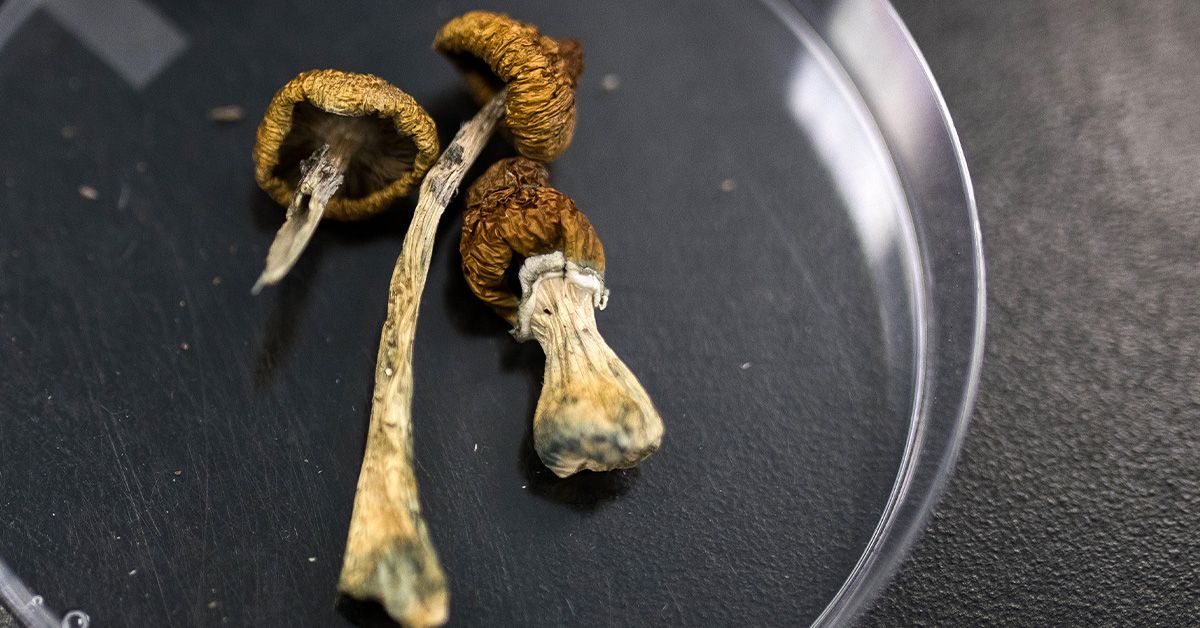

A randomized clinical trial at Johns Hopkins found that a single supervised dose of psilocybin, given alongside cognitive behavioral therapy (CBT), substantially increased smoking cessation rates compared with a standard nicotine patch regimen.
The study enrolled 82 adult daily smokers ages 21 to 80 who wanted to quit and had previously tried and failed to stop. Participants were about 59.8% male and 89% white, smoked about one pack per day on average, and had roughly six prior quit attempts. All participants received 13 weeks of CBT to identify triggers, manage cravings, and build quitting strategies.
One group received a single supervised psilocybin session (30 mg per 70 kg body weight) in addition to CBT. The comparison group followed an 8- to 10-week course of FDA‑approved nicotine patches plus the same CBT. Researchers monitored outcomes for six months, using self-report and biological tests to verify abstinence.
Key results at six months:
– Prolonged abstinence (quit and remained smoke-free after a brief grace period): 40% (17 participants) in the psilocybin group versus 10% (4 participants) in the patch group, translating to about six times greater odds of quitting with psilocybin plus CBT.
– Seven-day point-prevalence abstinence (no smoking in the previous week): 52% (22 participants) in the psilocybin group versus 25% (10 participants) in the patch group, about three times higher odds of short-term abstinence.
Lead investigator Matthew Johnson, PhD, reported substantially better outcomes in the psilocybin arm. Independent experts called the findings encouraging and said they expand potential treatment options for a leading preventable cause of illness and death.
Limitations noted by the researchers include a modest sample size, follow-up limited to six months, and limited diversity: 64.6% of participants had prior exposure to classic psychedelics, which may affect how generalizable the results are. Longer and larger trials will be needed to assess durability, broader applicability, and safety.
Context and cautions:
– Smoking remains a major health threat; fewer than 10% of adults who smoke quit successfully each year.
– Current cessation tools include nicotine replacement therapy, bupropion, and varenicline, often used together with counseling.
– Researchers do not expect psilocybin to replace established therapies but to serve as an additional option for some people.
– These results come from controlled clinical settings with specific dosages and professional psychological support. Psilocybin carries clinical and legal risks, and experts warn against attempting self-treatment outside supervised therapeutic contexts.
The trial adds to growing evidence that psilocybin-assisted therapy may aid addiction treatment, but confirmation through larger, longer, and more diverse studies is required before changing standard practice.