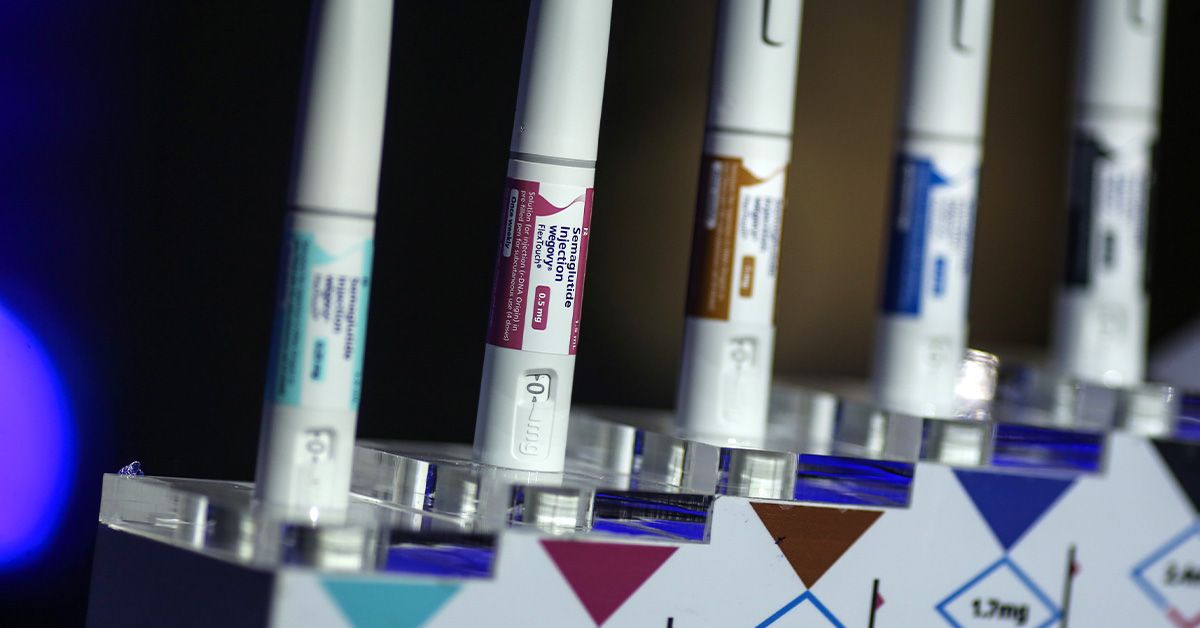

A Gallup online survey of nearly 17,000 U.S. adults, conducted during the first nine months of 2025, finds the adult obesity rate has fallen as use of GLP-1 weight-loss medications has risen. Respondents reported height, weight, diabetes history, and GLP-1 use; Gallup calculated obesity as a body-mass index (BMI) of 30 or higher from self-reported measures.
Key findings
– Obesity declined from a record-high nearly 40% in 2022 to 37% in 2025—about 7.6 million fewer Americans with obesity, by Gallup’s estimate. Women’s obesity fell more than three percentage points to just under 39%; men’s dropped a little over two points to about 35%.
– Adults ages 40–49 and 50–64 saw larger declines—roughly four and five percentage points, respectively—with rates near 43% in both groups.
– Reported use of GLP-1 medications rose sharply, from nearly 6% in February 2024 to 12% in 2025. Women reported higher use (15%) than men (just under 10%). Use was highest among people 50–64 (17%), followed by 40–49 (16%) and 65-plus (11%).
– Gallup also reported that nearly 14% of adults have been diagnosed with diabetes at some point, a record high; that figure includes people whose diabetes may now be in remission.
What experts say
Clinicians interviewed said the rise in GLP-1 use likely contributed to the drop in obesity but stressed limits in the data. Kristin Kirkpatrick, RDN, said the survey matches her clinical experience: awareness and demand for GLP-1s are widespread and weight loss in her patients has increased, especially among women. Bariatric surgeon Mir Ali said he was pleasantly surprised to see the effect reflected in survey results.
David Cutler, MD, noted important caveats. BMI calculated from self-reported height and weight can misclassify people—someone who loses fat but gains muscle could still be labeled obese by BMI. The diabetes measure counts anyone ever diagnosed, which inflates current prevalence if some are in remission.
How the drugs work and safety considerations
GLP-1 medications fall into two main groups: semaglutide-containing drugs (for example, Ozempic and Wegovy) and tirzepatide-containing drugs (for example, Mounjaro and Zepbound). They act on the hypothalamus to reduce appetite and cravings, increase feelings of fullness, and slow gastric emptying—effects that help people eat less and lose weight.
Common side effects include gastrointestinal symptoms (nausea, vomiting, diarrhea, constipation), abdominal pain, headaches, and fatigue. Clinicians emphasize careful monitoring, informed decision-making, and attention to contraindications. Cutler added that many people using GLP-1s do not meet clinical criteria for obesity, seeking modest or cosmetic weight loss; when properly monitored, the drugs are relatively safe and effective.
Best practices and long-term outlook
Experts uniformly recommend combining medication with lifestyle changes for durable results: good nutrition, portion control, physical activity, and behavioral support. Kirkpatrick advised working with healthcare teams or programs that provide dosing guidance, meal planning, exercise strategies, and access to diet, fitness, and mental health professionals to maximize long-term success.
Planning for discontinuation is also important. Ali suggested tapering doses or spacing injections as people near the end of treatment. Cutler warned against repeated cycles of losing and regaining weight—yo-yoing can damage metabolic health and reduce muscle mass. Kirkpatrick stressed the need for ongoing medical oversight to manage safety and create a sustainable plan that may or may not include eventual drug discontinuation.
Patients should expect possible dehydration and gastrointestinal discomfort and understand that these medications are a long-term treatment strategy for a chronic condition. Ongoing lifestyle planning and medical supervision are essential for safety and lasting benefit.