Hot weather can be more than uncomfortable — for people taking certain medicines, it can increase the risk of heat-related illness. Some drugs interfere with your body’s ability to cool itself, suppress thirst, or increase fluid loss. Below are 10 common medication types to be aware of, how they increase heat risk, and practical steps to stay safe.
1) Antidepressants
– How they affect heat: Many antidepressants can disrupt normal sweating patterns, causing either excessive sweating or reduced sweating. Impaired sweating makes it harder to cool down and can raise core body temperature.
– What to do: Develop a heat-safety plan with your clinician, stay in shaded or air-conditioned areas when possible, and monitor for symptoms like dizziness or confusion.
2) Antipsychotics
– How they affect heat: These drugs can interfere with thermoregulation and sometimes blunt your ability to sense and respond to heat. Some agents (e.g., lithium when used alongside certain antipsychotics) can also lead to dehydration-related toxicity.
– What to do: Keep well hydrated, watch for signs of drug toxicity (nausea, vomiting, tremor, altered thinking), and contact your provider if you suspect problems.
3) Beta-blockers
– How they affect heat: Beta-blockers reduce heart rate and cardiac output and can blunt the body’s normal responses to heat, potentially raising core temperature and making heat intolerance worse.
– What to do: Continue prescribed dosing unless told otherwise, avoid strenuous activity during peak heat, and speak to your clinician about any concerning symptoms.
4) ACE inhibitors
– How they affect heat: These medications can interfere with temperature regulation and may also suppress thirst, increasing the chance of dehydration.
– What to do: Make a conscious effort to drink fluids regularly even if you don’t feel very thirsty and avoid prolonged sun exposure.
5) Diuretics (water pills)
– How they affect heat: Diuretics increase urine output and can deplete fluids and salts, compounding fluid losses from sweating and raising dehydration risk.
– What to do: Drink extra fluids during hot weather, protect your skin from sunburn, and check with your provider about electrolyte needs or adjustments if you’re exposed to prolonged heat.
6) Insulin and diabetes medications
– How they affect heat: Diabetes itself can impair sweat glands and temperature regulation; hot weather also affects blood sugar. Heat and dehydration can change how your body responds to insulin.
– What to do: Test blood glucose more often in hot weather, carry fast-acting carbs for lows, and discuss insulin dose adjustments with your diabetes care team if activity, food intake, or fluid intake changes.
7) Metformin
– How it affects heat: Metformin and other diabetes medicines can make dehydration harder to recognize and, in rare cases (especially with severe dehydration or kidney problems), increase risk for lactic acidosis.
– What to do: Stay well hydrated, be alert for unusual weakness, muscle pain, or breathing changes, and seek medical advice if you suspect severe dehydration.
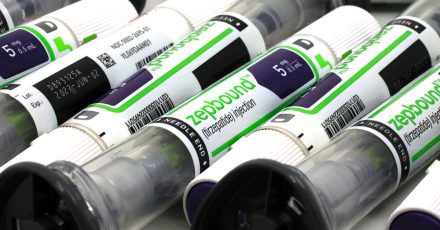
8) GLP-1 receptor agonists (weight-loss/diabetes drugs)
– How they affect heat: GLP-1 medications can suppress thirst, slow stomach emptying, and cause nausea, all of which may reduce fluid intake. In some people they also lower blood pressure, which can cause dizziness or fainting in the heat.
– What to do: Sip fluids regularly, avoid becoming overly active in high heat and humidity, and discuss symptoms like dizziness or fainting with your prescriber.
9) Stimulants (e.g., for ADHD)
– How they affect heat: Stimulant medications can disrupt thermoregulation and often reduce appetite and thirst, which can lead to lower fluid intake and greater dehydration risk — a particular concern during exercise or sports.
– What to do: Prioritize hydration before and during physical activity, avoid exercising alone in extreme heat, and consult your clinician about safe activity levels.
10) Anticonvulsants (e.g., topiramate, zonisamide)
– How they affect heat: Some anticonvulsants reduce sweating, particularly in children, which lowers the body’s ability to cool itself.
– What to do: Minimize exposure to heat and humidity, ensure fluid intake, and seek cool environments if you feel overheated.
Common signs of heat-related illness to watch for
– Excessive weakness or fatigue, dizziness, lightheadedness
– Muscle cramps, nausea, vomiting
– Rapid heartbeat, rapid breathing
– Confusion, fainting, or loss of consciousness
– Very high body temperature, very little or no sweating (in heatstroke)
If you or someone else has high body temperature with confusion, fainting, or altered consciousness, seek emergency care immediately.
General safety tips for anyone taking these medicines
– Hydrate proactively: Don’t wait until you feel thirsty — sip fluids throughout the day.
– Make a heat-safety plan: Know cool places you can reach, limit outdoor activities in the hottest hours, and let others know your plan.
– Monitor symptoms: Check blood sugar more often if you have diabetes; watch for dizziness, confusion, or fainting.
– Protect your skin: Use sun protection and avoid prolonged direct sun exposure, especially if your medication increases sunburn risk.
– Avoid sudden changes: Don’t stop or change medication doses without talking to your clinician; instead, ask whether dose adjustments or timing changes are appropriate for hot weather.
– Prepare for activity: If exercising, acclimatize gradually, take frequent breaks, and carry water.
When to call your healthcare provider
– If you develop persistent dizziness, lightheadedness, fainting, confusion, or symptoms suggesting drug toxicity (nausea, vomiting, tremor, slurred speech).
– If you are having trouble recognizing dehydration or managing blood sugar changes in heat.
– If you’re unsure whether your medication puts you at higher risk in hot weather; your provider can advise on monitoring, dose adjustments, or alternatives.
Hot weather can create added risk for people on many commonly prescribed medications. Awareness, hydration, and a plan for staying cool are the most important steps you can take — and talk with your healthcare team if you have concerns or experience worrisome symptoms.