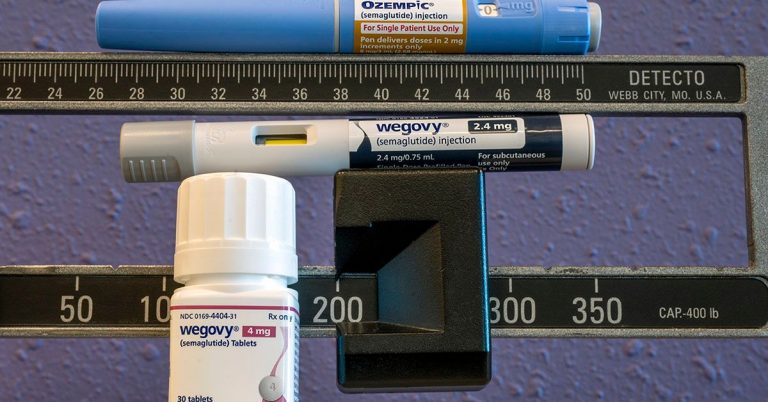
A recent analysis suggests that people who start GLP-1 medications such as Ozempic, Wegovy, or Mounjaro tend to do less physical activity after beginning treatment — even though exercise remains important for long-term weight management and overall health.
The study, presented at ENDO 2026 and not yet peer reviewed, used Fitbit data to compare activity before and after starting a GLP-1. Researchers identified 753 adults with obesity who had adequate wearable data. The group was 78.6% female with an average age of 52.7.
On average, daily step counts fell from about 5,047 steps to 4,487 steps after initiating a GLP-1. Minutes of moderate-to-vigorous physical activity (MVPA) dropped from roughly 28 minutes per day to 22 minutes. The largest declines were seen in men and in participants who reported muscle or joint pain. Factors such as age or a history of stroke or heart failure did not appear to change the overall pattern. The investigators also found no sign that weight loss from GLP-1s led to a compensatory increase in activity.
Why this matters: public health authorities and prior research show that combining medication with regular exercise produces better long-term weight outcomes and improves cardiorespiratory fitness, reduces chronic disease risk, and supports mental well-being. Clinicians say some people feel more fatigued during active weight loss, which can make exercise feel difficult or optional.
Clinical perspective: Mir Ali, MD, who treats patients for surgical weight loss (and was not involved in the study), notes that reduced activity during weight loss can accelerate muscle loss, worsen fatigue, and blunt optimal results. Sajana Maharjan, MD, the study’s lead author, emphasized that exercise shouldn’t be optional for people taking these medications and called for targeted interventions that encourage activity alongside pharmacotherapy.
Practical recommendations: experts stress that consistency matters more than intensity. A reasonable target is about 30 minutes of activity on five days each week; even walking in shorter segments counts and delivers meaningful benefits. Combining aerobic exercise with resistance training helps preserve muscle while dieting. For people experiencing pain or fatigue, gradual increases and individualized plans — possibly with physical therapy or pain management — can make activity more achievable.
Bottom line: GLP-1 medications can be powerful tools for weight loss and metabolic control, but they don’t replace the protective and restorative effects of regular physical activity. Patients and clinicians should plan for exercise support and strategies alongside medication to maximize health outcomes.