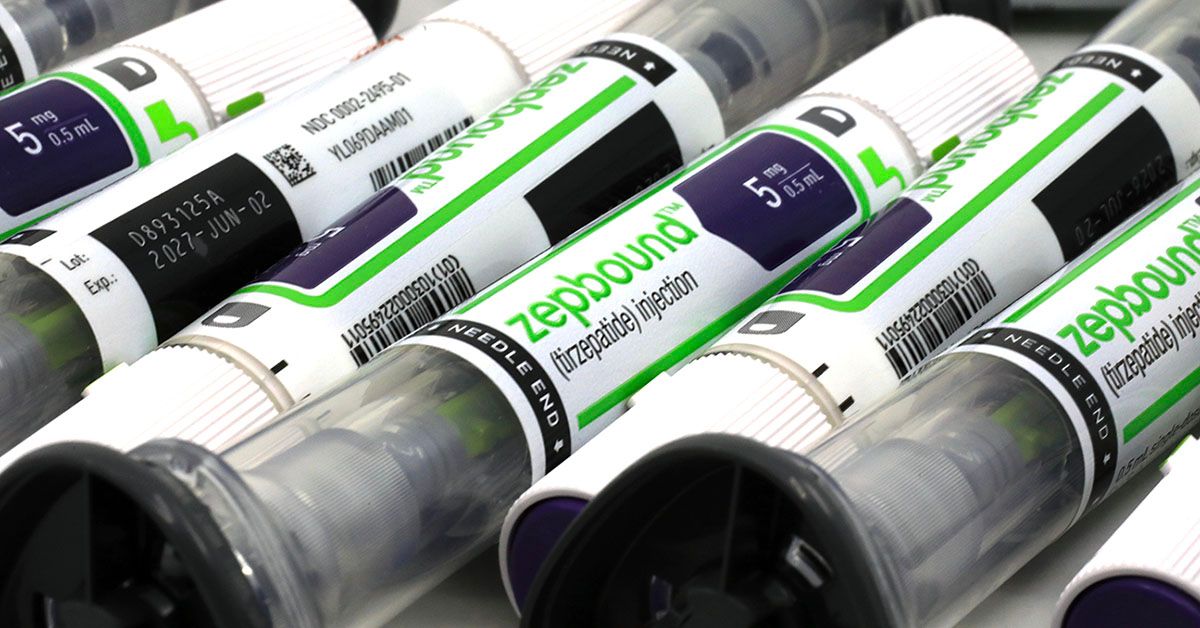

New research suggests tirzepatide—the active drug in Mounjaro and Zepbound—may be linked to a lower short-term risk of diabetic retinopathy in people with type 2 diabetes.
What the study looked at
Researchers analyzed electronic health records for about 174,000 people across 70 U.S. health systems. They compared patients who started tirzepatide with similar patients who used lifestyle interventions alone (nutrition therapy and exercise counseling). Over one year, those taking tirzepatide were less likely to develop new diabetic retinopathy or progress to more severe stages. For example, incident mild non‑proliferative diabetic retinopathy occurred in 0.49% of tirzepatide users versus 1.2% in the lifestyle‑only group.
Possible reasons
Authors propose several mechanisms that might explain the association: greater improvements in insulin sensitivity, substantial weight loss, and reduced metabolic inflammation with tirzepatide. Like other GLP‑1–based drugs, tirzepatide suppresses appetite and improves blood‑sugar control, which over the long term is beneficial for retinal health.
Context and safety concerns
Earlier studies raised concerns that some GLP‑1 agonists—most notably semaglutide (in Ozempic and Wegovy)—could cause a temporary worsening of diabetic retinopathy in people with advanced disease after rapid glucose lowering. Ophthalmologists note that a quick fall in blood sugar can transiently worsen retinopathy, a phenomenon seen with intensive glucose control even before these drugs existed. In the longer term, however, improved glucose control is associated with better retinal outcomes.
Expert perspective and disclosures
Szilard Kiss, MD, the study’s lead author and an ophthalmologist at NewYork‑Presbyterian/Weill Cornell, said the findings may reassure patients and clinicians that tirzepatide is unlikely to worsen retinopathy and could reduce the need for lasers or eye injections for severe disease. The study notes that Kiss is on the board of Adverum Biotechnologies, which is owned by Eli Lilly, the maker of Mounjaro and Zepbound. Other ophthalmologists involved in commentary emphasized caution: while both tirzepatide and semaglutide reduce hunger and improve glucose, people with existing advanced retinopathy may need closer monitoring during rapid glucose lowering.
Limits of the evidence
This was an observational study showing an association, not proof of cause and effect. The authors and outside experts say randomized controlled trials and longer‑term data are needed to confirm whether tirzepatide actually reduces retinopathy risk and to define safety for people with preexisting eye disease.
How common and how treated
Diabetic retinopathy is a common complication: a 2021 JAMA Ophthalmology estimate put nearly 10 million Americans with retinopathy and almost 2 million with vision‑threatening forms. Early disease often causes minimal symptoms but can progress to vision loss from abnormal new blood vessels, macular edema, and increased eye pressure. Treatments focus on controlling blood sugar and cardiovascular risk factors and may include injections into the eye, laser therapy, and surgery; eye drops can ease symptoms but do not reverse damaged retinal blood vessels.
Practical takeaways
– The tirzepatide findings are encouraging but preliminary—treatment decisions should weigh overall benefits and risks.
– People with diabetes should maintain good blood sugar, blood pressure, and cholesterol control; eat well, exercise, and avoid smoking to help protect eye health.
– Everyone with diabetes should have a dilated eye exam at least once a year. Those starting potent glucose‑lowering medications, especially with known retinopathy, may benefit from closer eye monitoring in the first months.
– Anyone with sudden vision changes should see an ophthalmologist promptly.
Until randomized trials and longer follow‑up data are available, clinicians and patients should interpret the current association cautiously.