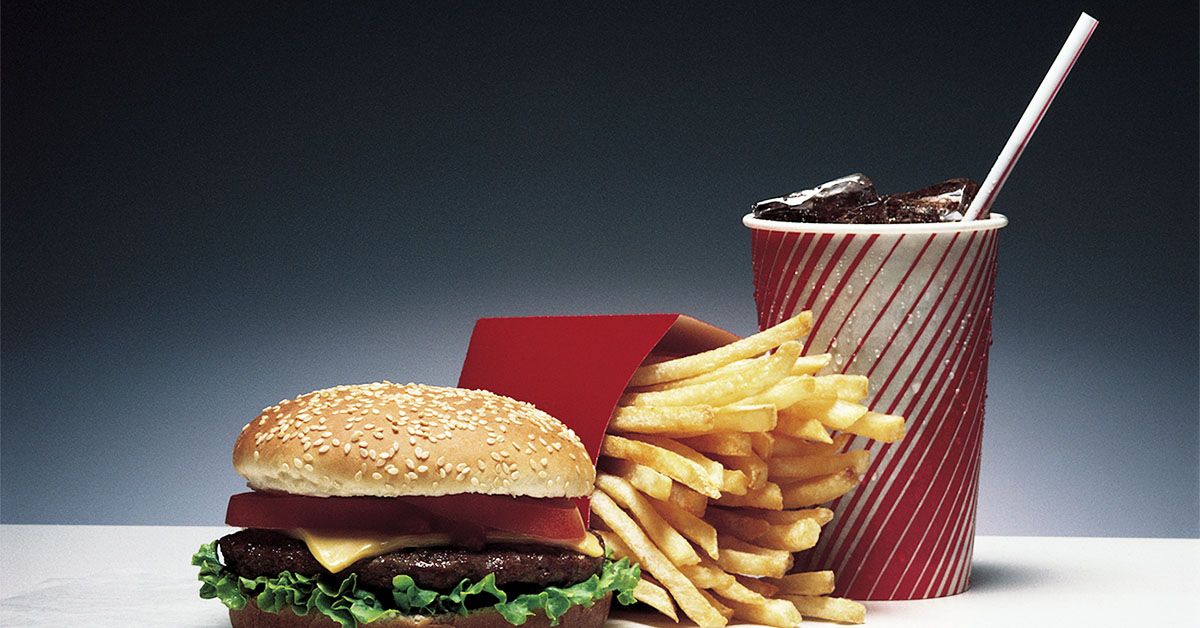

New research finds that cancer survivors who consume more ultra-processed foods (UPFs) have a substantially higher risk of dying from any cause and from cancer specifically. People in the highest third of UPF intake by weight had about a 48% higher rate of all-cause death and a 57% higher rate of cancer death compared with those in the lowest third.
Study details
Researchers followed more than 24,000 adults aged 35 and older in southern Italy from March 2005 to December 2022. At baseline, 802 participants were cancer survivors and completed detailed dietary questionnaires. The team used the NOVA classification to identify UPFs and calculated each person’s UPF proportion using both a weight ratio (daily weight of UPFs divided by total daily weight of foods and beverages) and an energy ratio (calories from UPFs divided by total calories). After adjusting for smoking, overall diet quality, BMI, medical history, and other factors, higher UPF intake remained linked to greater mortality.
Possible mechanisms
Study authors suggest ingredients and substances from industrial food processing can interfere with metabolism, disrupt gut microbiota, and promote inflammation. The researchers also point to elevated resting heart rate and increased inflammation as possible explanations for the observed link between UPF intake and higher mortality.
Expert perspectives
Marialaura Bonaccio, PhD (IRCCS Neuromed), said the level and nature of industrial processing may independently affect long-term health beyond nutrient content. Nilesh Vora, MD, noted that pro-inflammatory foods have been linked to cancer recurrence in other research and that inflammation can contribute to mutation growth. Dana Hunnes, PhD, emphasized that UPFs increase oxidative stress and can worsen glucose regulation, blood pressure, and insulin resistance—factors that may be especially harmful for cancer survivors.
Food groups and practical advice
Researchers grouped UPFs into seven categories and found inconsistent patterns for specific groups, leading them to emphasize overall dietary patterns over single items. The primary public-health message is to reduce total UPF consumption and shift toward fresh, minimally processed, home-cooked foods. A pragmatic tip: foods with more than five ingredients or any added food additives are likely ultra-processed.
Limitations and recommendations
The study is observational and cannot prove causation, but experts say reducing UPF intake and improving diet and exercise habits are sensible steps for cancer survivors given the potential risks and low downside of making healthier choices.