
Excess sugar is linked to many chronic conditions, and new research suggests sugar-sweetened beverages may also be connected to anxiety in adolescents. A systematic review and meta-analysis by researchers at Bournemouth University found that high intake of sugar-sweetened drinks was associated with a 34% increased risk of anxiety among young people.
The review pooled nine studies; seven reported a significant positive association between consumption of sugar-sweetened beverages (SSBs) and anxiety symptoms. The findings, published Feb. 10 in the Journal of Human Nutrition and Dietetics, are the first systematic review to document this link specifically in adolescents.
Study co-author Chloe Casey, PhD, a nutrition lecturer at Bournemouth University, said most public health efforts emphasize physical outcomes of poor diets, while mental health implications—especially from energy-dense, nutrient-poor drinks—have been less explored. She and her colleagues say the study identifies an unhealthy connection between sugary drinks and anxiety disorders in youth and highlights the need to consider modifiable lifestyle habits as anxiety rates rise.
Public health context and expert perspectives
The Centers for Disease Control and Prevention estimates more than 60% of youth drink an SSB on a given day. Nutrition experts not involved in the study called the results unsurprising given other evidence linking high sugar intake to poor mental health.
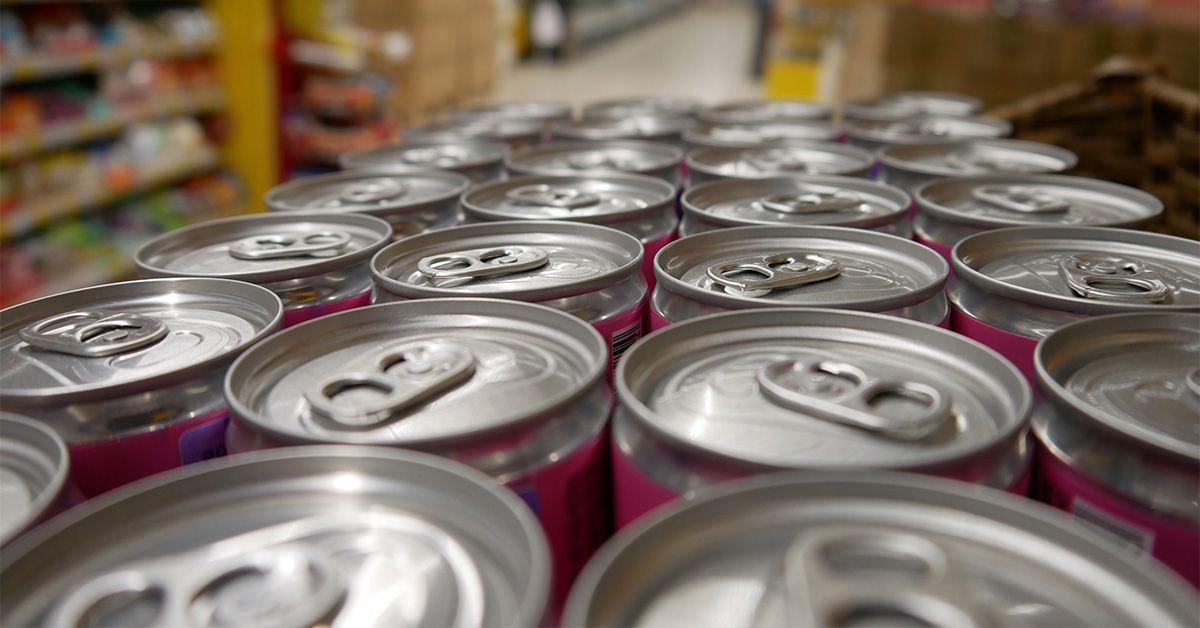
Whitney Linsenmeyer, PhD, a registered dietitian, noted that SSBs are “empty calorie” sources whose sugars are rapidly absorbed, causing blood sugar spikes and crashes that can affect mood. She pointed out that many beverages qualify as SSBs beyond soda—energy drinks, flavored milks, sweetened coffee drinks, iced teas, and lemonade can contain as much or more added sugar than soda (for example, a typical 12-oz soda contains about 39 grams of added sugar; some energy drinks have even more).
Dana Hunnes, PhD, a senior dietitian at UCLA Health, said growing research shows diet affects hormones such as serotonin and dopamine, which influence mental health. Pediatrician Daniel Ganjian added that sugar-related spikes and crashes can amplify feelings of jitters or nervousness, potentially worsening anxiety symptoms.
Association, not proof of causation
Experts caution that the observed association does not prove SSBs cause anxiety. High consumption of sugary drinks may be part of broader lifestyle patterns—poor sleep, low overall diet quality, higher stress—that also contribute to anxiety risk. Registered dietitian Wesley McWhorter said an overall pattern of highly processed, high-sugar intake may increase instability, whereas balanced meals with protein, fiber, and healthy fats support steadier energy and mood. Diet can support resilience but is not a standalone treatment for anxiety.
Reducing sugary drinks and practical alternatives
The study authors suggest reducing SSB intake could help address rising adolescent anxiety. Nutrition experts recommend cutting back on sugary beverages and choosing healthier options. Suggested alternatives include flavored sparkling water, sparkling water with a splash of real fruit juice, herbal teas, or milk without added sugars. Teens can also make fruit-infused water with slices of orange, lemon, lime, or strawberries. Some experts advise treating SSBs like a dessert—an occasional treat rather than a daily drink or a primary hydration source.
Bottom line
A Bournemouth University meta-analysis links high consumption of sugar-sweetened beverages to increased anxiety symptoms in young people, but further research is needed to determine causality. Reducing intake of SSBs and replacing them with lower-sugar beverages may be a practical step to support both physical and mental health in adolescents.