
Since the American Cancer Society launched Breast Cancer Awareness month 40 years ago, campaign efforts have helped reduce breast cancer deaths by about 42%. Still, the ACS reports that breast cancer diagnoses in women under 50 are rising.
Physicians link this increase to multiple factors: lifestyle changes like obesity, shifting reproductive patterns such as delaying childbirth, higher breast density, genetic predisposition, and likely environmental exposures. While the most common type of breast cancer across ages is estrogen receptor (ER)-positive, HER2-positive and triple-negative cancers are more common among younger women. HER2-positive tumors grow and spread faster but can respond to HER2-targeted treatments. Experts say a mix of lifestyle and environmental influences may underlie why women born in later decades face higher risk.
Breast cancer is often treatable when detected early, but treatment and recovery can be long and disruptive. Survivors and clinicians emphasize that after treatment, healthy habits are crucial. Regular exercise supports physical and mental health, and evidence links physical activity with lower breast cancer recurrence. Current physical activity guidelines recommend at least 150 minutes a week of moderate-intensity aerobic activity (for example, brisk walking) or 75 minutes of vigorous activity, plus muscle-strengthening exercises at least two days per week.
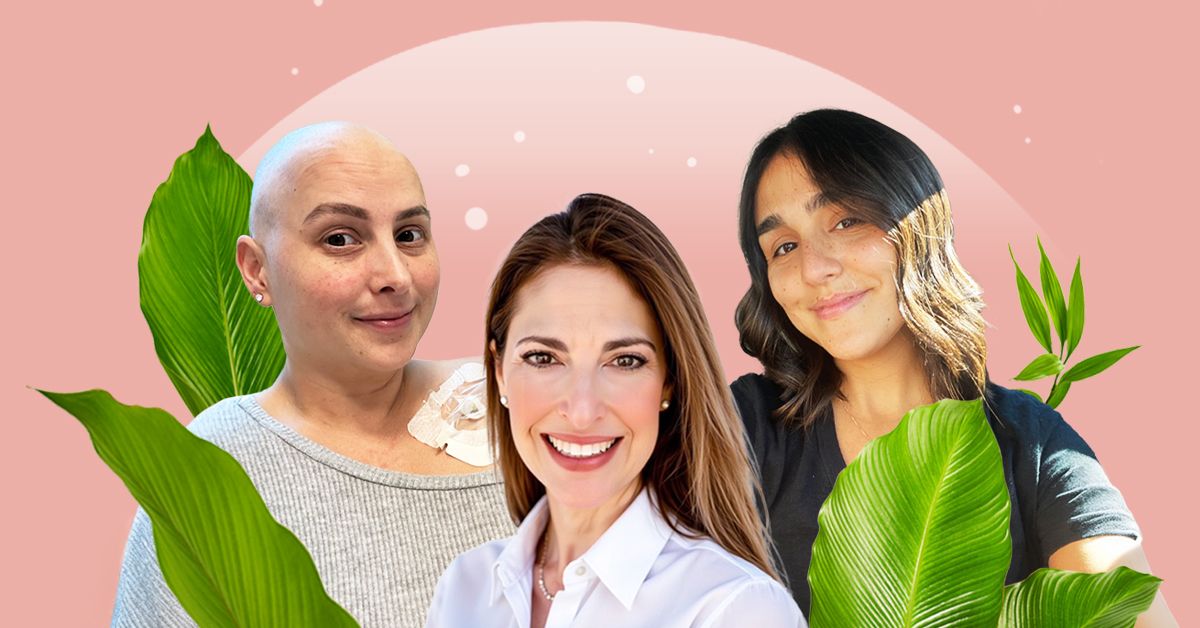
Younger women with breast cancer may face distinctive challenges. They often juggle caregiving and careers while undergoing chemotherapy, radiation, immunotherapy, or surgery. Treatments can affect fertility and lead to early menopause, complicating family planning and daily life. Three women who were diagnosed young share how they navigated diagnosis, treatment, and life after cancer — and the habits they say help them stay well.
Danielle Lindner, 54
Lindner was 48 when she discovered a lump and was diagnosed with stage 1A breast cancer. At the time she was running a preschool and caring for two daughters. After a lumpectomy and radiation, she decided to prioritize her recovery. She coined a “Cancer Coupon” to justify asking for help and taking time to get healthy so she could be present for her family and business.
Today she focuses on a diet rich in fruits and vegetables, avoids highly processed foods and added sugars, and maintains an active lifestyle. Lindner also emphasizes living fully: spending time with friends and family and traveling, which she says benefits her mental and physical well-being.
Stephanie Rico Masterson, 32
Masterson was 28, newly married and working as a pediatric nurse when she felt pain under her armpit. An ultrasound led to a diagnosis of stage 4 invasive ductal carcinoma. Before treatment — which included chemotherapy, a double mastectomy, liver ablation, and radiation — she froze her eggs. Now cancer-free and a mother via surrogacy, she credits fertility preservation with giving hope and protecting her future during a time when much felt out of control.
In recovery, Masterson prioritizes healthy eating, staying active, and nurturing close, in-person relationships. She purposely steps away from social media to focus on meaningful conversations and experiencing life directly. Because cancer took so much from her at one point, she now makes a point to live fully as a way to support her body and mind in remission.
Natalia Socorro, 36
Socorro was 33, an assistant principal and mother of four, when she found a lump she initially assumed was a postpartum change from nursing. At a one-year checkup she was diagnosed with invasive ductal carcinoma. She underwent surgery, chemotherapy, and radiation; three years later she continues on medication and gets routine scans. Those follow-ups are both reminders of what she’s endured and reassurance that she’s being monitored.
Socorro treasures close relationships, recently renewed her vows, and channels her energy into advocacy and fundraising for cancer research. She shares her story, including vulnerable moments, to help drive change and support others. Her approach to thriving includes nourishing her body with healthy food, staying active, prioritizing rest, practicing gratitude, and keeping faith central in her life.
What experts recommend and why it matters
Oncologists stress that younger women should be aware of breast cancer risk factors but also that many diagnosed women lack traditional risk factors, implying a role for environmental contributors. For survivors, experts highlight the importance of exercise for physical, heart, and mental health and for lowering recurrence risk. Prioritizing fertility counseling early in the treatment process can preserve future family-building options for those facing therapies that may affect fertility.
Beyond physical health, survivors report that mental and social supports — asking for help, leaning on close relationships, reducing time on social media, engaging in meaningful activities, and advocacy — are vital to recovery and long-term well-being.
Bottom line
Early onset breast cancer is rising among women under 50 and may reflect a combination of lifestyle, reproductive, genetic, and environmental factors. Detection and treatment have improved outcomes, and survivors emphasize healthy eating, regular exercise, fertility preservation when needed, emotional support, and purposeful living as keys to healing and staying in remission.