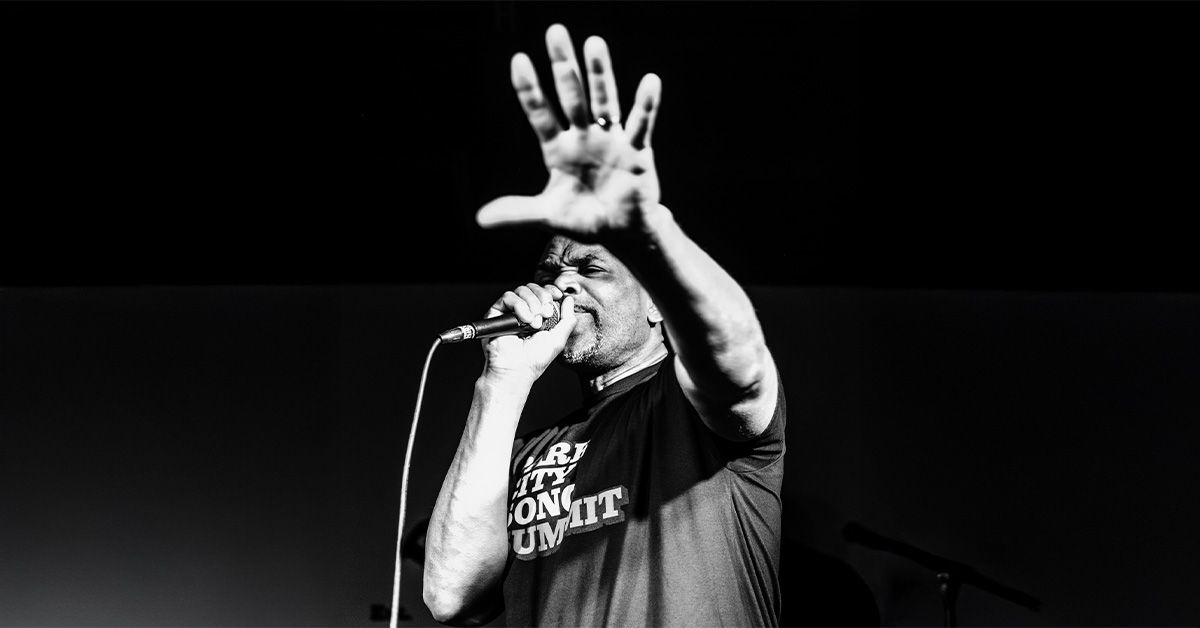

At the height of global fame, Darryl “DMC” McDaniels of Run-DMC quietly struggled with addiction, depression, and a loss of identity. Though he never intended to be in show business—he was a comic-book–loving kid who wrote rhymes in his basement—the transition to life onstage brought pressure he hadn’t anticipated. “People started saying, ‘You gotta have hit records. You gotta tour. You gotta be on the radio. You gotta make money,’” he told Healthline. He began worrying about others’ expectations instead of how he felt, and anxiety, nervousness, and confusion followed.
McDaniels turned to alcohol and drugs to cope. “Olde English 800. Johnny Walker. Jack Daniel’s. Jim Beam. I thought they could be my friends,” he said. That reach for substances was less about Run-DMC itself and more about trying to manage overwhelming expectations and emotions. After decades of struggling, he checked into rehab in 2004. He has been sober for more than 20 years and now focuses on raising awareness about mental health and recovery.
McDaniels recently partnered with 1 Million Strong, an initiative aiming to change how society approaches mental health, addiction, and recovery by building sober-supportive communities in the music world and beyond. He says the program helps people know they don’t have to face recovery alone. “There’s a whole community that’s always been here, but nobody talked about it. They give me a place to be,” he said.
Substance misuse is widespread: in 2023 nearly 50 million Americans ages 12 and older met criteria for a substance use disorder. Within the music industry, more than half of professionals report problematic alcohol or drug use, and about a third of touring professionals experience clinical depression. J. Craig Allen, MD, Vice President of Addiction Services at Hartford HealthCare, emphasized that mental health problems and addiction are health conditions, not moral failings. He noted that recovery is an active maintenance process rather than a one-time cure: setbacks should prompt rapid response, not shame.
Sober-supportive communities can reduce isolation, create early detection systems for risk, and act as safety nets that include peers, family, clinicians, and sponsors. “It’s often said that the opposite of addiction is connection. Reliable connection is key,” Allen said. McDaniels echoed that sentiment, saying 1 Million Strong helps people see alternatives to numbing with substances.
In a conversation with Healthline, McDaniels reflected on his experiences and what he wants others to know. He described growing up in a culture where heavy drinking and drug use were celebrated, especially in show business. When he was drinking a case of Olde English a day, nobody called it a problem—on the contrary, it was seen as heroic. “When you get into show business, you can get all the weed, alcohol, and drugs you want, and nobody notices it’s a problem until it’s too late,” he said.
Anxiety and depression were present long before fame. As a child, McDaniels had outlets—comic books, drawing, imagination—but those were overshadowed by the relief substances promised once he was in the spotlight. He still gets scared before going onstage. A pivotal moment came at 35, during a severe depressive episode when he discovered he was adopted—information everyone around him had known except him. The betrayal and confusion intensified his drinking; he also developed pancreatitis. Meeting another adopted person gave him the courage to get sober because he realized he wasn’t alone. He chose to find his birth mother and knew he needed to be sober to do so; that decision led him to rehab and to therapy.
In rehab he was diagnosed with suppressed emotions. Therapy, he says, achieved what alcohol could not. “Therapy did what Jack Daniel’s and Johnnie Walker couldn’t do for me,” he said. He credits therapy with helping him face emotions and rebuild his life.
McDaniels recounted positive influences in the industry that surprised him. On tour in 1988 with other hip-hop acts, he remembers hearing Chuck D say, “I never got high a day in my life.” That revelation from a favorite rapper challenged McDaniels’ belief that success and creativity required substance use. Years later, a panel on sobriety featuring Henry Rollins reinforced that sober, powerful creative communities exist. Learning that admired peers were sober helped him see alternatives to substance dependence.
He wants people to know they don’t have to wait decades to find recovery. “When you’re going through something, you feel like you’re the only one in the world going through it,” he said. Recognizing others who struggled and took steps toward recovery made his own healing possible. He hopes to help reduce stigma by offering solutions and showing that one can still enjoy life—go to concerts, work in music, and have support—without substances.
Performing sober has its rewards. McDaniels admits he used substances to alter his feelings, but sobriety has given him clearer vision of his life and work. He still feels fear before shows, but he faces it instead of numbing it. His self-care includes exercise, returning to comic books, and embracing activities once deemed uncool. These routines and therapy helped him confront suppressed emotions: “Now I’m not afraid to face myself.”
The biggest lesson McDaniels shares is the power of admitting fear and asking for help. When you admit you need support, the resources to help you often appear. For him, the greatest achievement isn’t records or awards but being living proof that recovery is possible. He hopes his story encourages others to seek help sooner and know that connection, therapy, and community can replace numbing with substances.