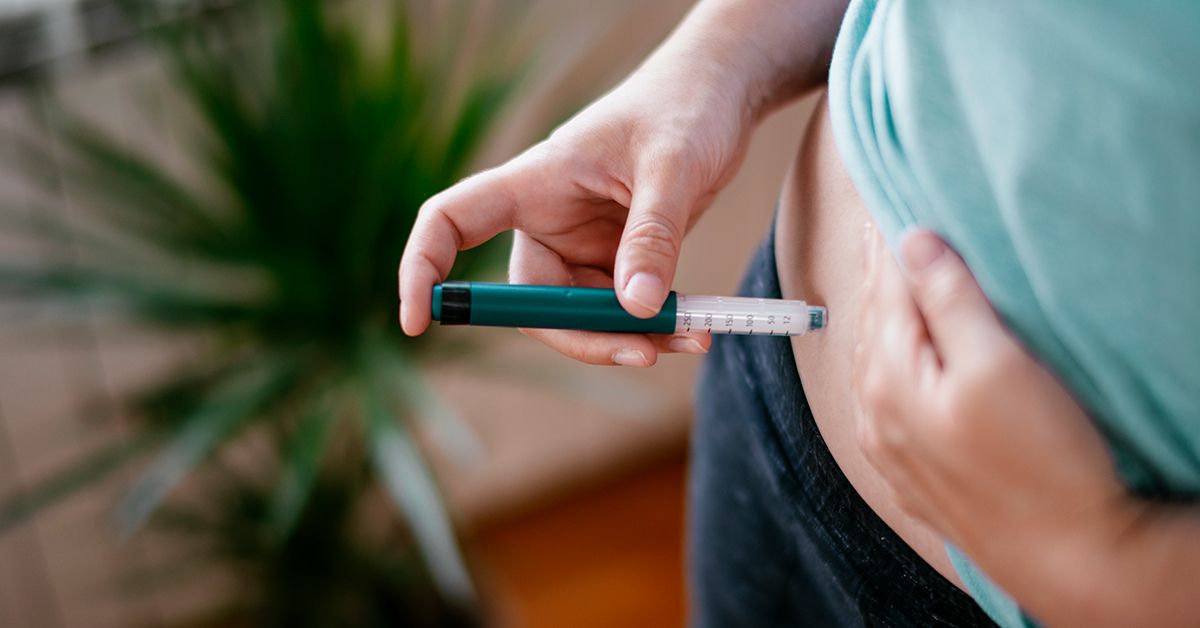

California has launched a state-branded insulin program meant to lower costs for people with diabetes. Beginning January 1, 2026, the state will make five‑pack insulin pens available to Californians at a maximum retail price of $55 (about $11 per pen). The rollout accompanies new state law that caps consumer out-of-pocket insulin spending at $35 per month.
The program is run through CalRx, a state initiative created to reduce drug prices by contracting with manufacturers. CalRx signed a $50 million contract with nonprofit Civica Rx, which subcontracted production of a long-acting glargine insulin to Biocon Biologics. For the California project, pharmacies will be able to buy five‑pack 3‑mL pens from the Biocon product for $45; the maximum retail price will be $55.
State officials say that price will be substantially lower than many branded options. The state cited wholesale comparisons showing five‑pen packs ranging from roughly $90 to about $400—for example, Rezvoglar (Eli Lilly) around $88, Lantus (Sanofi) about $92, Basaglar (Eli Lilly) about $313, and Toujeo Solostar (Sanofi) about $411. Advocates and clinicians say the lower-priced product plus the $35 monthly cap could significantly improve affordability, particularly for people without Medicare or comprehensive insurance.
Clinicians and advocacy groups praised the move as an important step. Medical leaders noted high U.S. insulin prices have forced some patients to ration or skip doses, and they said a state-produced option could expand access and increase pressure on other manufacturers to lower prices. The American Diabetes Association described the program as a meaningful, incremental advance toward more affordable insulin.
CalRx has tried similar approaches before: in 2024 it announced discounted distribution of naloxone nasal spray under a state-branded program. Civica Rx also plans to make five‑pack glargine pens available nationwide in January 2026 through a partnership with Blue Cross Blue Shield.
Experts warn of potential challenges. Demand for lower-cost insulin could outstrip supply, requiring rapid scaling by contractors. If competitors reduce production in response to lower-priced competition, broader supply gaps might emerge. Some patients may be reluctant to switch from familiar brands, and regulatory, insurance, supply-chain, and awareness barriers could limit uptake or complicate replication by other states. The program’s long-term impact will depend on steady supply, federal and state policy choices, and budget commitments.
Why this matters: Insulin is essential for people with type 1 diabetes and commonly used by people with type 2 diabetes. The American Diabetes Association estimates about 8 million people in the U.S. need insulin injections; the CDC reports roughly 38 million Americans have been diagnosed with diabetes and more than 3 million Californians have type 1 or type 2 diabetes. High U.S. insulin prices are a longstanding concern—one in four U.S. insulin users report rationing their medication due to cost, and surveys have found large shares of users facing financial hardship.
CalRx says the insulin effort will initially target long-acting glargine, with plans to produce generic variations of the three most common insulin types—glargine (long-acting), aspart, and lispro. If the program maintains supply and navigates market and regulatory hurdles, it could serve as a model for other states seeking to lower drug costs.